Accessibility Tools

What information should Meals on Wheels providers include on their websites?

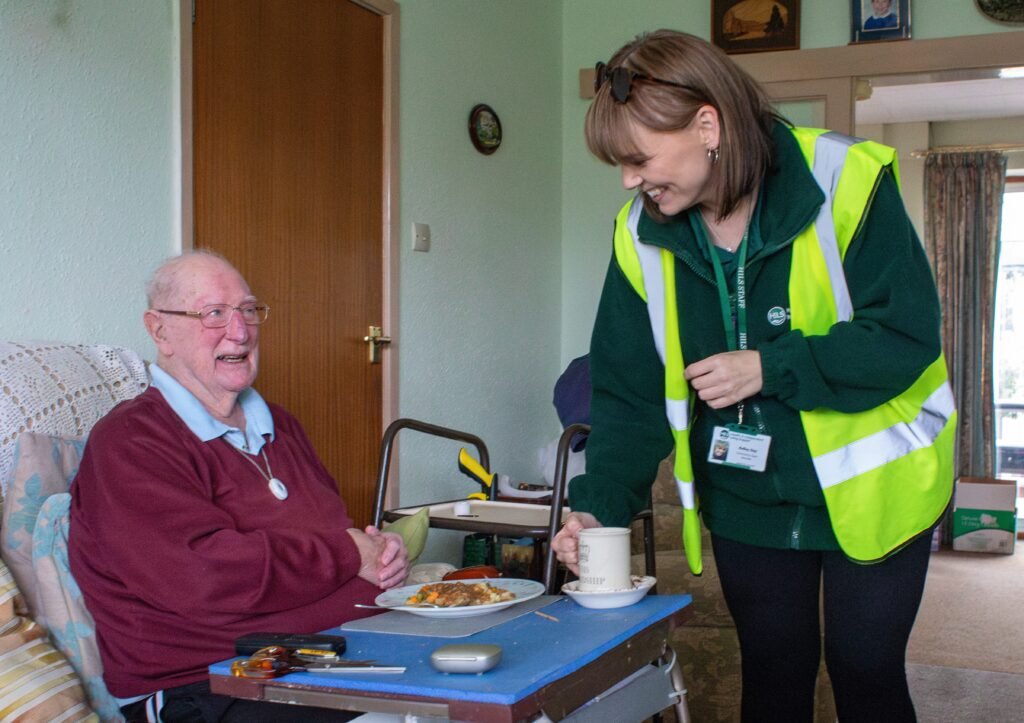
A photo of an elderly couple being guided through making meal choices by a carer

Resources | What information should Meals on Wheels providers include on their websites?

Developed by the Meals on Wheels UK project, University of Bristol.

When someone is looking for Meals on Wheels, they often start online. This might be an older person, a family member, a carer, a social worker, a hospital discharge team, or another referrer.

Research from the Meals on Wheels UK project at the University of Bristol found that people value clear, practical information when deciding whether a service is suitable. This includes information about the meals, what support is provided, reliability and flexibility around the meal deliveries, and cost.

This checklist is designed to help providers make their websites clearer, more useful, and easier to act on.

Why this matters

Clear online information can help people:

  • understand whether your service is right for them or someone they support
  • make referrals more confidently
  • reduce unnecessary phone or email enquiries
  • compare options where more than one service is available
  • access support earlier

Even simple changes (such as making your delivery area, contact details, costs, and eligibility criteria easy to find) can make a real difference.

Website information checklist for Meals on Wheels providers

  1. Basic service information

Include:

  • Name of the service
  • Type of provider, e.g. council-run, charity, social enterprise, private provider
  • Delivery areas covered
  • Full address and postcode, where appropriate
  • Whether the information on the page is up to date
  • State when the page was last reviewed or updated

Tip: If you only deliver to certain postcodes, villages, towns, or neighbourhoods, list these clearly and keep these up to date.

2. Contact details

Make it easy for people to get in touch.

Include:

  • Telephone number
  • A working email address
  • Contact form, if available
  • Opening hours for enquiries
  • Expected response time, if possible
  • What to do if someone cannot get through

Tip: Families and referrers often need to make decisions quickly. If your inbox or phone line is not monitored daily, say when people can expect a response.

3. Who the service is for

Explain who can use the service.

Include:

  • Main target population
  • Age criteria, if any
  • Whether you support people with disabilities, dementia, mental health conditions, recovery after hospital discharge, or other needs
  • Whether people can self-refer
  • Whether referrals are accepted from family members, carers, social workers, NHS teams, or others
  • Whether an assessment is required

Tip: Avoid assuming people know they are “eligible”. Spell it out clearly.

4. Meals provided

People want to know what they will actually receive.

Include:

  • Type of meals, e.g. hot, chilled, frozen, or a mix
  • Whether any preparation is required to eat the meal (e.g. reheating in the microwave/ stove/ oven)
  • Number of courses (e.g. main and dessert or soup and a main)
  • Whether the service provides lunch only or meals for other eating occasions too (e.g. light breakfast for the next day)
  • Whether light meals, sandwiches, desserts, snacks, or tea-time options are available
  • How often the menu changes or rotates (e.g. variety of meals)
  • How many choices are available per meal (e.g. choice of two mains and two desserts)
  • Sample online menus
  • Portion sizes, if appropriate
  • Nutritional information, where available
  • Food hygiene rating

Tip: A sample menu can be very helpful.

5. Dietary needs and preferences

Include:

  • Whether you cater for specific diets
  • Provide examples, e.g. vegetarian, vegan, gluten-free, texture-modified, diabetic-friendly, low salt, cultural or religious dietary needs
  • How allergies are handled
  • How people should tell you about dietary requirements
  • Whether meals can be adapted to meet specific individual needs or preferences

Tip: If you cannot cater for certain needs, say so clearly and kindly.

6. What support is provided alongside the meal

Meals on Wheels is often valued because it is more than food.

Include whether you provide:

  • Wellbeing checks
  • Social contact
  • Escalation of concerns to family, carers, and/ or professionals
  • Plating up the meal
  • Cutting up food
  • Prompting or reminding, where appropriate (e.g. to have a drink or to take medication)
  • Signposting to other services
  • Additional support, such as delivering basic groceries or providing other practical help
  • Who delivers the meals (e.g. if the drivers are DBS-checked, or if it’s usually the same driver delivering to someone)

Tip: Explain what happens if a driver or volunteer is concerned about someone’s wellbeing.

7. Delivery frequency and timing

Include:

  • Days of delivery
  • Whether weekend or bank holiday meal deliveries are available
  • Typical time window of the delivery
  • Whether delivery times can vary
  • Minimum number of meals per week, if any
  • Whether short-term support is available, e.g. after hospital discharge
  • How much notice is needed to start, pause, or cancel the service, or change meals

Tip: Reliability and flexibility were highlighted in our research as important information for people considering Meals on Wheels.

8. Cost and payment

Be as clear as possible.

Include:

  • Cost per meal
  • What is included in the price
  • Whether delivery is included
  • Whether prices differ by number of courses or meal type
  • Whether subsidies or funding support are available
  • Payment options, e.g. direct debit, card, invoice, phone payment, pay-as-you-go
  • When payment is taken, e.g. in advance or in arrears
  • What happens if someone has difficulty paying

Tip: Cost is one of the key pieces of information people value when deciding whether to access a service.

9. How to start using the service

Make the next step obvious.

Include:

  • How to enquire
  • How to refer someone
  • What information is needed to register
  • How quickly the service can usually start
  • Whether a trial period is available
  • Who can complete the referral
  • What happens after someone gets in touch

Tip: A simple “Start a referral” button or short online form can make the process easier.

10. Testimonials and real experiences

Including short testimonials or real-life examples can help people understand what your service is like in practice.

These might include:

  • feedback from people receiving the service (including about the taste and quality of the meals)
  • comments from family members or carers
  • examples of how the service has supported someone
  • short quotes highlighting reliability, quality of food, or wellbeing support

Tip: Keep testimonials short, clear, and anonymised where appropriate. Focus on real experiences that reflect what people value most about the service.

Quick website check

Before publishing, ask:

  • Can someone find your delivery area in under 30 seconds?
  • Can they see how much the service costs?
  • Can they tell whether you provide wellbeing checks?
  • Can they find a working phone number or email address?
  • Can a family member or referrer understand how to start the service?
  • Is the page written in plain language?
  • Has the page been checked recently?

Based on research and provider experience

This checklist is based on findings from research by the Meals on Wheels UK project at the University of Bristol, and ongoing engagement with Meals on Wheels providers, service users, and referrers.

In a qualitative study with service users and referrers, participants highlighted the importance of clear information about meals, services provided, reliability and flexibility around the meal deliveries, and cost, when considering accessing Meals on Wheels.

Download this resource as a PDF

Help us to improve this resource

We know that many services are already doing excellent work to make information accessible online, and that there are different ways of presenting this effectively.

If there’s something we’ve missed, or if your website includes features that have made it easier for people to find and use your service, we would really value hearing from you.

Please share your ideas via our WhatsApp Community.  

Your input will help us keep this resource practical, relevant, and shaped by Meals on Wheels providers.

Has this resource been useful?

Please share your feedback using the form below


What makes Meals on Wheels different from other meal delivery services?

A photo of an elderly couple being guided through making meal choices by a carer

Resources | What makes Meals on Wheels different from other meal delivery services?

Developed by the Meals on Wheels UK project, University of Bristol.

Why this matters

People often compare Meals on Wheels with other types of meal delivery, such as supermarket deliveries or prepared meal services.

While these services can be useful, Meals on Wheels offers something different.

This guide helps providers clearly explain that difference to families, professionals, and decision-makers.

Meals on Wheels: more than food delivery

Meals on Wheels combines food provision with support.

Alongside meals, services provide:

  • regular, reliable contact
  • wellbeing checks
  • informal monitoring of changes in health or behaviour
  • reassurance for families and carers
  • support to remain independent at home

What makes it different?

Meals on WheelsOther forms of meal delivery
Regular, consistent contactOne-off or irregular delivery
Known driver or volunteerAnonymous courier
Wellbeing checksNo monitoring
Safeguarding roleNo safeguarding function
Supports independenceFocused on food only
Builds relationships over timeTransactional service

How to explain this in practice 

Some providers find it helpful to use simple comparisons:

  • “It’s not just a delivery – it’s someone checking in regularly”
  • “It’s a relationship, not a one-off service”
  • “It combines food with care and support”

Why this difference matters

This distinction is important because Meals on Wheels:

  • helps identify issues early
  • supports people who may otherwise struggle to eat
  • provides reassurance to families
  • contributes to wider health and care outcomes

When this is particularly important

Meals on Wheels may be especially valuable for people who:

  • live alone
  • have limited mobility
  • are recovering from illness
  • are at risk of malnutrition
  • need regular contact or reassurance

Final note

Other meal delivery services may meet some needs. However, Meals on Wheels provides a broader, more supportive offer for people who require more than food alone.

Download this resource as a PDF

Help us to improve this resource

This guide has been developed based on research and ongoing engagement with Meals on Wheels providers, alongside insights from people who use the service and those who refer to it.

We recognise that providers often need to explain how Meals on Wheels differs from other forms of meal delivery (whether to families, professionals, or local partners) and that this can vary depending on local context.

We would really value your input to help ensure this resource reflects the ways services are described and understood in practice.

If you have found effective ways of explaining what makes your service different, we would be very interested to hear from you.

You might wish to share:

  • how you describe your service to families or carers
  • how you explain the difference to professionals or referrers
  • comparisons or examples that have helped people understand the value of the service
  • feedback you’ve received from people using your service

We are particularly interested in simple, clear ways of communicating this – including short phrases, examples, or approaches that have worked well locally.

Please share your ideas via our WhatsApp Community.  

Your input will help us continue to develop resources that are practical, relevant, and shaped by Meals on Wheels providers across the UK.

Has this resource been useful?

Please share your feedback using the form below


Using LinkedIn to raise awareness of your Meals on Wheels service

A photo of an elderly couple being guided through making meal choices by a carer

Resources | Using LinkedIn to raise awareness of your Meals on Wheels service

Developed by the Meals on Wheels UK project, University of Bristol.

Why this matters

Many Meals on Wheels providers use platforms such as Facebook or Instagram to connect with their local communities.

However, LinkedIn offers a different opportunity.

LinkedIn is widely used by:

  • health and social care professionals
  • local authority staff
  • commissioners
  • charities and voluntary organisations
  • policymakers and researchers

This makes it a useful platform for raising awareness of Meals on Wheels among people who:

  • refer to services
  • influence funding and commissioning
  • shape local and national policy

What LinkedIn can be useful for

LinkedIn can help providers:

  • raise awareness of their service among professionals
  • share examples of day-to-day work
  • highlight the impact of Meals on Wheels
  • connect with local, national and international organisations
  • stay informed about wider developments in the sector

What to share

You do not need to post frequently or create complex content.

Focus on low-effort, day-to-day content. Simple updates can be effective, such as:

  • a short description of your service
  • photos of meals or delivery (where appropriate)
  • a simple update about your team or volunteers
  • brief examples of how your service supports people
  • participation in local events or initiatives

Keeping it simple 

Some providers find it helpful to:

  • post occasionally rather than regularly
  • keep posts short and factual
  • use plain language
  • focus on real examples from their service

You do not need to use LinkedIn in the same way as other organisations – even a small number of posts can help raise visibility.

Connecting with others

LinkedIn can also be used to:

  • connect with local professionals and organisations
  • follow relevant organisations (e.g. local authorities, charities, national and international bodies)
  • see how others are talking about Meals on Wheels

This can help providers stay informed and feel more connected to the wider sector.

Examples of useful content

Focus on visibility and influence:

  • sharing service developments or expansion
  • highlighting partnerships with local organisations
  • reflecting on demand or pressures facing the service
  • raising awareness of gaps in provision
  • contributing to wider conversations about ageing, care, or prevention

Final note

Using LinkedIn is optional, and may not be appropriate for all services.

However, for some providers, it can offer an additional way to raise awareness, connect with others, and share the impact of their work.

Download this resource as a PDF

Help us to improve this resource

This guide has been developed based on ongoing engagement with Meals on Wheels providers, alongside wider observations of how services and organisations are using digital platforms to connect with professionals and partners.

We recognise that providers have different levels of experience and confidence when it comes to using platforms like LinkedIn, and that approaches will vary depending on local context, capacity, and priorities.

We would really value your input to help ensure this resource reflects what is useful and realistic in practice.

If you are using LinkedIn (or have tried to), we would be very interested to hear about your experience.

You might wish to share:

  • how you currently use LinkedIn (if at all)
  • what has worked well for you
  • any challenges or barriers you’ve encountered
  • the type of content that has generated interest or engagement
  • whether LinkedIn has helped you connect with professionals, partners, or commissioners

We are particularly interested in simple, practical examples, including short posts, approaches, or small changes that have helped raise awareness of your service.

Please share your ideas via our WhatsApp Community.  

Your input will help us better understand how Meals on Wheels providers are using LinkedIn in practice, and shape future guidance that is relevant, realistic, and grounded in the experiences of the sector.

Has this resource been useful?

Please share your feedback using the form below


How to make it easier for professionals to refer someone to Meals on Wheels

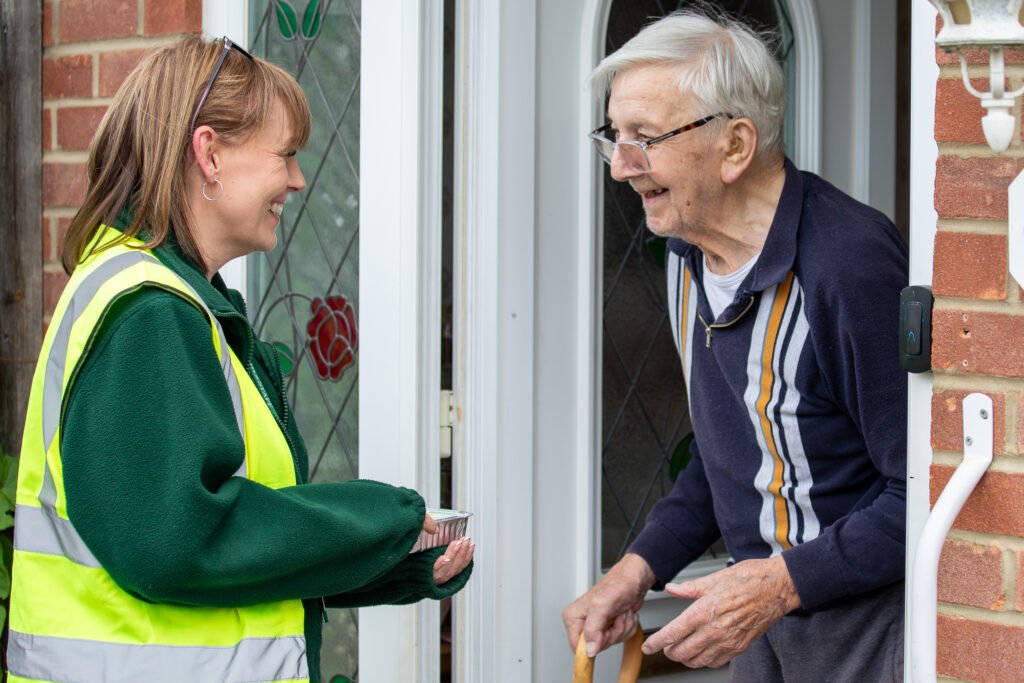
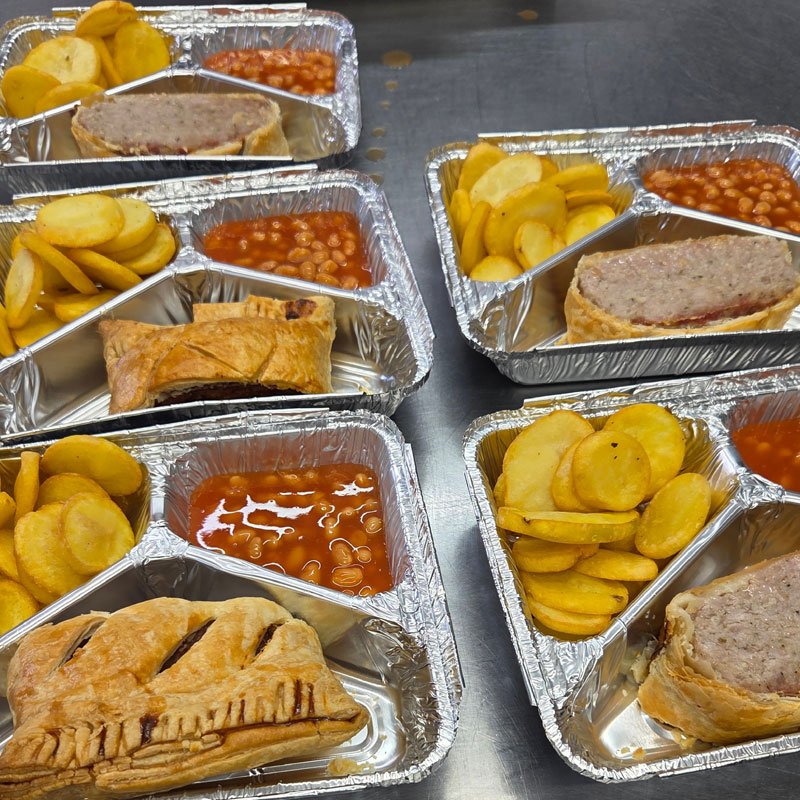
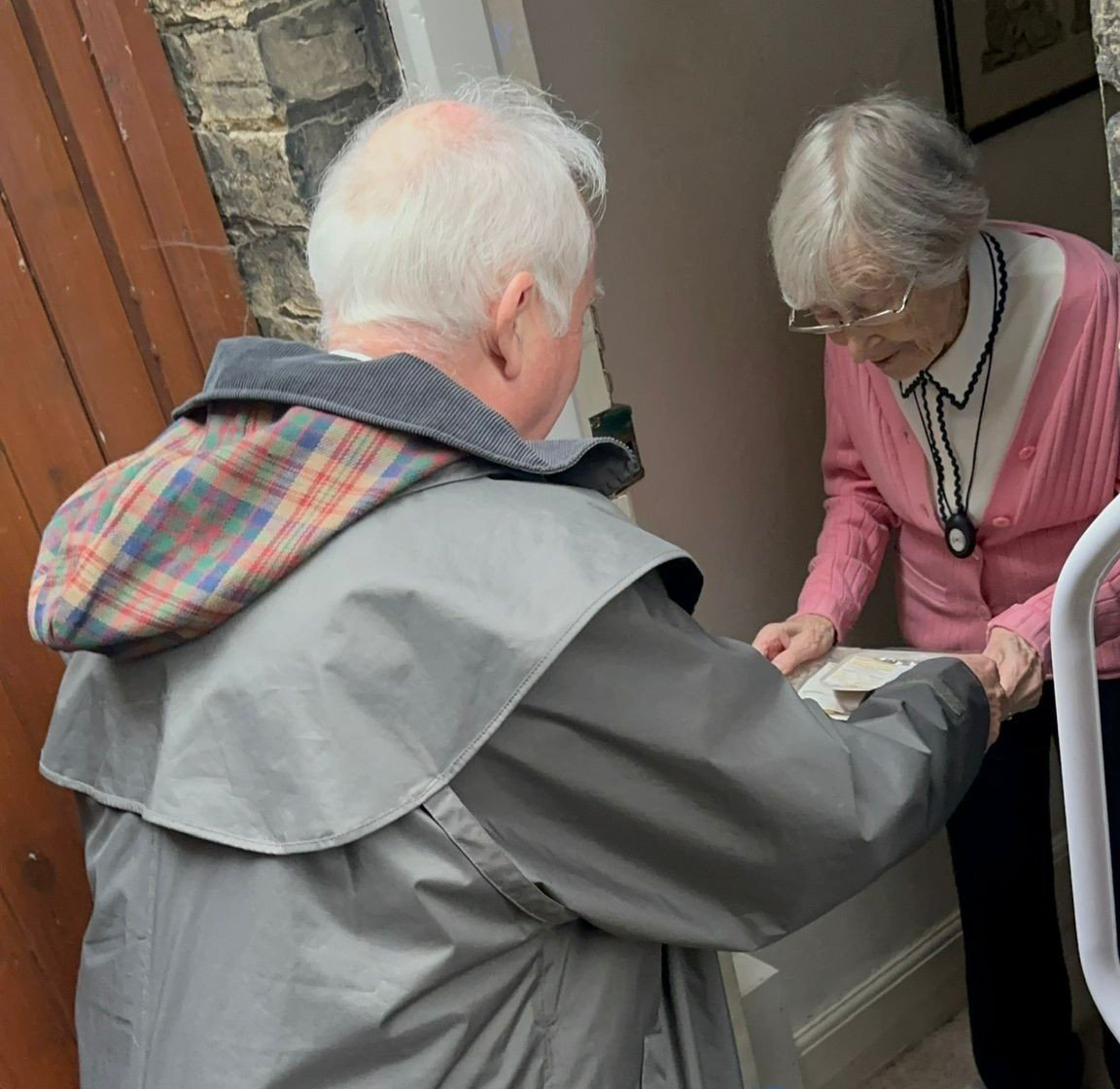
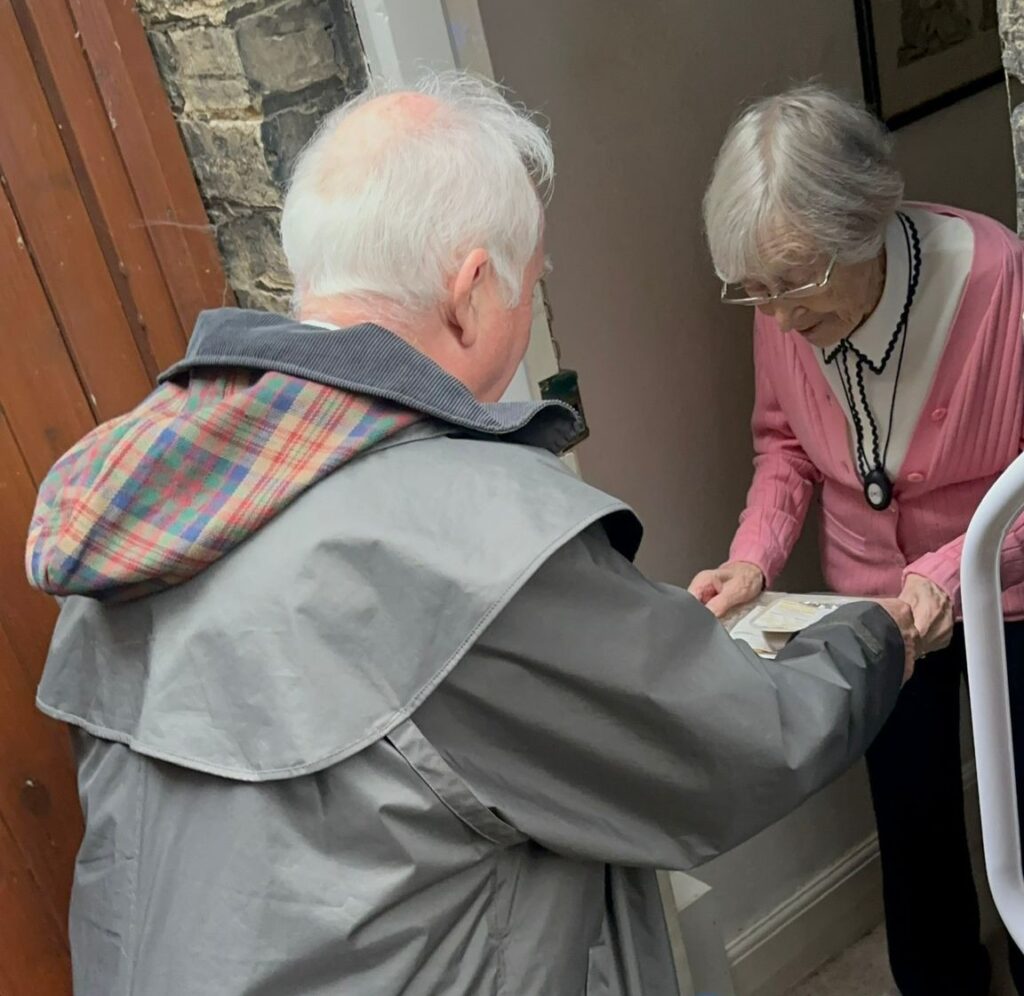
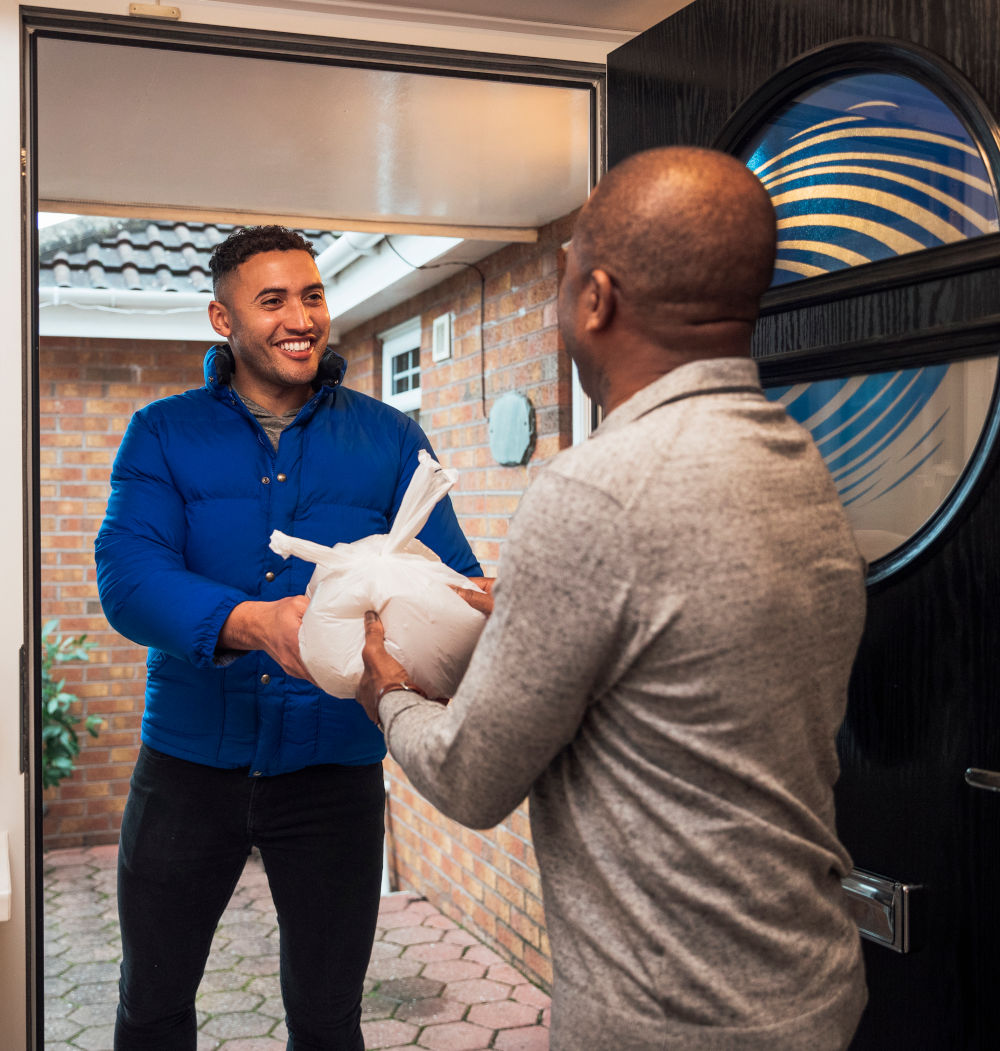
A photograph of a meal delivery

Resources | How to make it easier for professionals to refer someone to Meals on Wheels

Developed by the Meals on Wheels UK project, University of Bristol.

Why this matters

Many people who could benefit from Meals on Wheels are identified by health and social care professionals, including social workers, GPs, hospital discharge teams, and community organisations.

However, referrals are not always straightforward. In some areas, there are:

  • no clear referral pathways
  • limited awareness of services
  • uncertainty about who is eligible

This can delay access to support.

Based on research and provider experience, this guide outlines simple ways providers can make it easier for professionals to refer people to Meals on Wheels.

  1. Make referral pathways clear

Ensure your website clearly explains:

  • who can refer (self, family, professionals)
  • how to refer (phone, email, online form)
  • what information is needed
  • how quickly the service can start

Tip: A simple ‘Refer someone’ button or page on your website could make a big difference.

2. Provide clear contact routes for professionals

Include:

  • a direct phone number
  • a monitored email address
  • response times
  • who professionals should contact

Tip: Professionals often need quick decisions – delays can result in missed referrals.

3. Explain who is likely to benefit

Professionals may not always know who Meals on Wheels is for.

Provide simple guidance, such as:

People who:

  • struggle to prepare meals
  • live alone without support
  • are recovering from illness or hospital discharge
  • are at risk of poor nutrition

4. Use simple referral criteria (where possible)

Some providers choose to share simple criteria or guidance.

You may wish to:

  • outline key indicators
  • describe typical characteristics of people who use your service
  • explain flexibility

5. Consider using a referral checklist

A structured checklist can support consistent and confident referrals.

The Meals on Wheels UK project has developed a simple referral checklist to support professionals in identifying individuals likely to benefit from the service.

The referral checklist is a University of Bristol licensed resource and can be downloaded free of charge here.

This checklist:

  • supports (but does not replace) professional judgement
  • is based on demographic and health-related indicators
  • can be used across health and social care settings

6. Build relationships with local professionals

Referrals often depend on awareness and trust.

You may wish to:

  • connect with local social care teams
  • engage with hospital discharge staff
  • attend local meetings or networks
  • provide short presentations or information

7. Make information easy to share

Professionals often pass information on to families.

Provide:

  • a clear webpage link
  • downloadable information
  • simple summaries of your service

8. Be clear about availability and capacity

Where possible, explain:

  • whether you are currently accepting referrals
  • waiting times
  • delivery coverage

This helps professionals make appropriate decisions.

Based on research and provider experience

Research has shown that people benefit most when access to Meals on Wheels is timely and straightforward. Clear referral pathways and accessible information can help ensure that individuals receive support when they need it.

Download this resource as a PDF

Help us to improve this resource

This guide has been developed based on research and ongoing engagement with Meals on Wheels providers, service users, and professionals who refer people to the service.

We know that referral pathways vary widely across the UK, and that many providers have developed practical and effective ways of working locally.

We would really value your input to help keep this resource relevant and grounded in real-world practice.

If you work with health and care professionals to enhance referrals to your service, we would be very interested to hear from you.

You might wish to share:

  • how professionals currently refer to your service
  • any changes you’ve made to simplify the process
  • examples of what has worked well locally
  • any challenges you’ve encountered

Please share your ideas via our WhatsApp Community.  

Your input will help us continue to develop practical, provider-informed resources for the sector.

Has this resource been useful?

Please share your feedback using the form below


Finding funding for Meals on Wheels services: where to start

A young woman delivering a bag of groceries to a senior adult woman
A photograph of a meal delivery

Resources | Finding funding for Meals on Wheels services: where to start

Developed by the Meals on Wheels UK project, University of Bristol.

Why this matters

Many Meals on Wheels providers operate under significant financial pressure, with limited capacity to identify and apply for funding opportunities.

At the same time, a range of funding sources exist that may be relevant to services supporting:

  • older people
  • community wellbeing
  • health and prevention
  • social care and inclusion

This guide provides a simple starting point to help providers identify potential sources of funding.

Types of funding to consider

Funding opportunities for Meals on Wheels services often fall into the following categories:

  1. Charitable trusts and foundations

Many trusts fund work supporting older people, health, and community services.

Examples include:

2. Community and local funding

Some funds are region-specific and support local community services.

These may include:

  • local authority funds
  • regional trusts
  • community or environmental funds

3. Social enterprise and innovation funding

Some programmes support new ideas, service development, or scaling activity.

Examples include:

  • UnLtd (supports social entrepreneurs at different stages)

4. National and large-scale funding programmes

Larger funders may support research, innovation, or service development linked to policy priorities.

Examples include:

Getting started

Meals on Wheels providers may wish to:

  • identify funders aligned with their service (e.g. older people, health, community support)
  • start with smaller grants before applying for larger funding
  • build partnerships where appropriate (e.g. with local authorities or charities)
  • use existing evidence (including service impact) to strengthen applications

A note on capacity 

We recognise that applying for funding can be time-consuming.

Providers may wish to:

  • focus on opportunities that are a strong fit
  • reuse application content where appropriate
  • collaborate with partners where possible

Learning from others

Many providers have experience of:

  • applying for funding
  • securing grants or contracts
  • working with commissioners or partners

We encourage providers to share:

  • funding opportunities they have found useful
  • tips for preparing applications
  • examples of successful approaches

Final note

Funding opportunities change regularly, and eligibility criteria vary.

This guide is intended as a starting point rather than a comprehensive list.

Download this resource as a PDF

Help us to improve this resource

This guide has been developed to support Meals on Wheels providers in navigating funding opportunities.

We recognise that many providers already have valuable experience in securing funding and developing sustainable services.

We would really value your input to help ensure this resource reflects what works in practice.

If you have experience in securing funding, we would be very interested to hear from you.

You might wish to share:

  • funding sources you have found useful
  • tips or approaches that have helped your applications succeed
  • challenges you’ve encountered
  • examples of funding that has supported your service

We are particularly interested in practical insights that could help other providers.

Please share your ideas via our WhatsApp Community.  

Your input will help develop a resource shaped by Meals on Wheels providers across the sector.

Has this resource been useful?

Please share your feedback using the form below


Can you give us some feedback please?