Provider in Focus | Health and Independent Living Support (HILS)
Discussion took place on 8th May 2026
This month, we’re speaking with Tom Cottam, Deputy CEO of HILS (Health and Independent Living Support), a charitable social enterprise delivering Meals on Wheels and wider wellbeing services across Hertfordshire, Hampshire, and West Sussex.
Delivering more than 1,000,000 hot lunches, breakfast and tea packs each year, alongside wellbeing checks, and wider preventative support, like exercise support programmes, HILS combines large-scale operations with a strong focus on human connection, flexibility and innovation.
“I think the social enterprise model is a brilliant model of delivery for Meals on Wheels. We’re not for profit, which means we don’t have to make margins for our shareholders. We can focus on meeting client needs, the innovation and our aspiration about the value of Meals on Wheels, not just to individuals, but to the wider health and social care system. We’re really ambitious and aspirational about that.”
More than a meal
Tom is clear that Meals on Wheels should never be viewed simply as a food delivery.
For HILS, the service combines:
- Nutrition and hydration support
- Daily wellbeing checks
- Safeguarding and escalation pathways
- Reassurance for families
- Trusted human contact for people living independently at home
“Meals on Wheels is not just drop-and-go delivery. It is a holistic service around the client’s needs.”
Meals are delivered hot every day of the year, alongside breakfast and tea packs for later use.
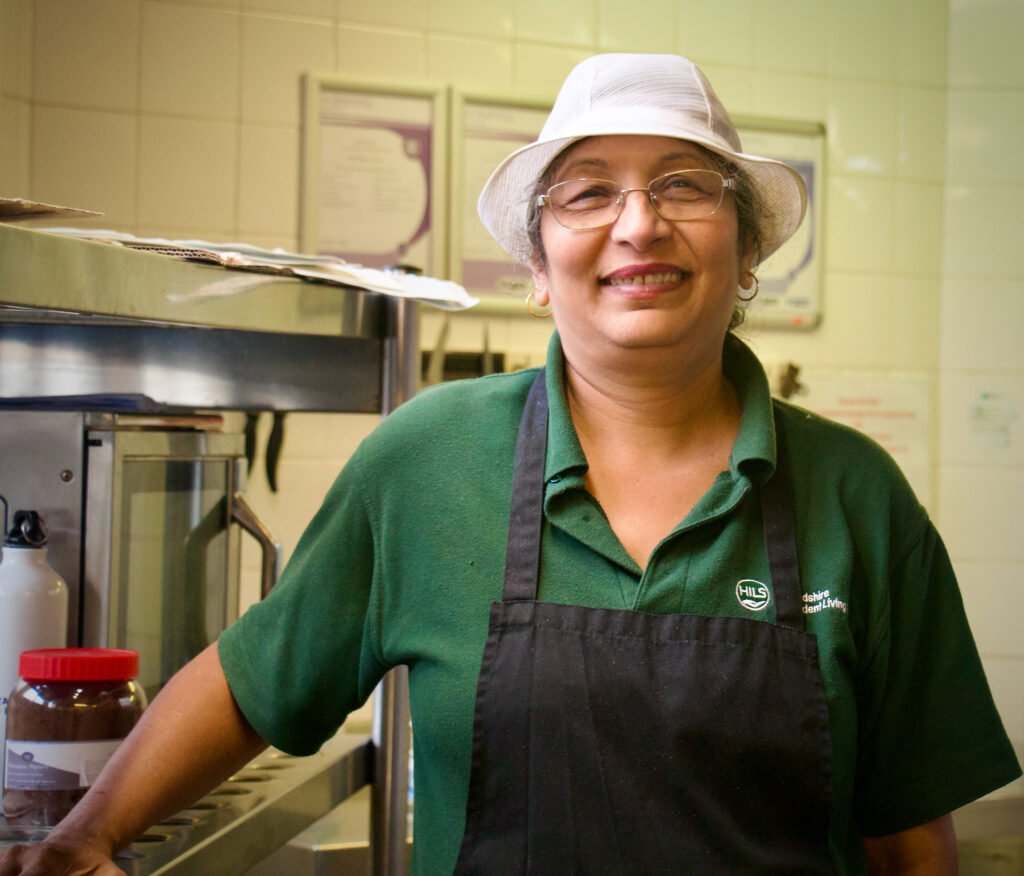
The organisation also employs nutritionists who support menu development and provide specialist dietary advice.
Tom believes the preventative role of Meals on Wheels is often underestimated.
“It’s important to recognise that nutrition and hydration are key markers for lots of things, not just malnutrition, but also frailty, which costs the NHS billions of pounds a year… a huge national issue. Meals on Wheels as a preventative service can support in those areas too.”
He also reflects on the service’s wider value:
“If we signpost and refer into other support mechanisms, we can have a huge impact on wider social and economic determinants of health. There’s lots of policy around how housing affects someone’s health. If we are in and supporting somebody in their own home, Meals on Wheels services can play a huge part in that.”
“The service is not an optional, fluffy, charitable extra. It’s vital, it’s necessary. It’s a service that holds things together on a daily basis, quite often invisibly. We see it as an additional emergency service – and we think others should too.”
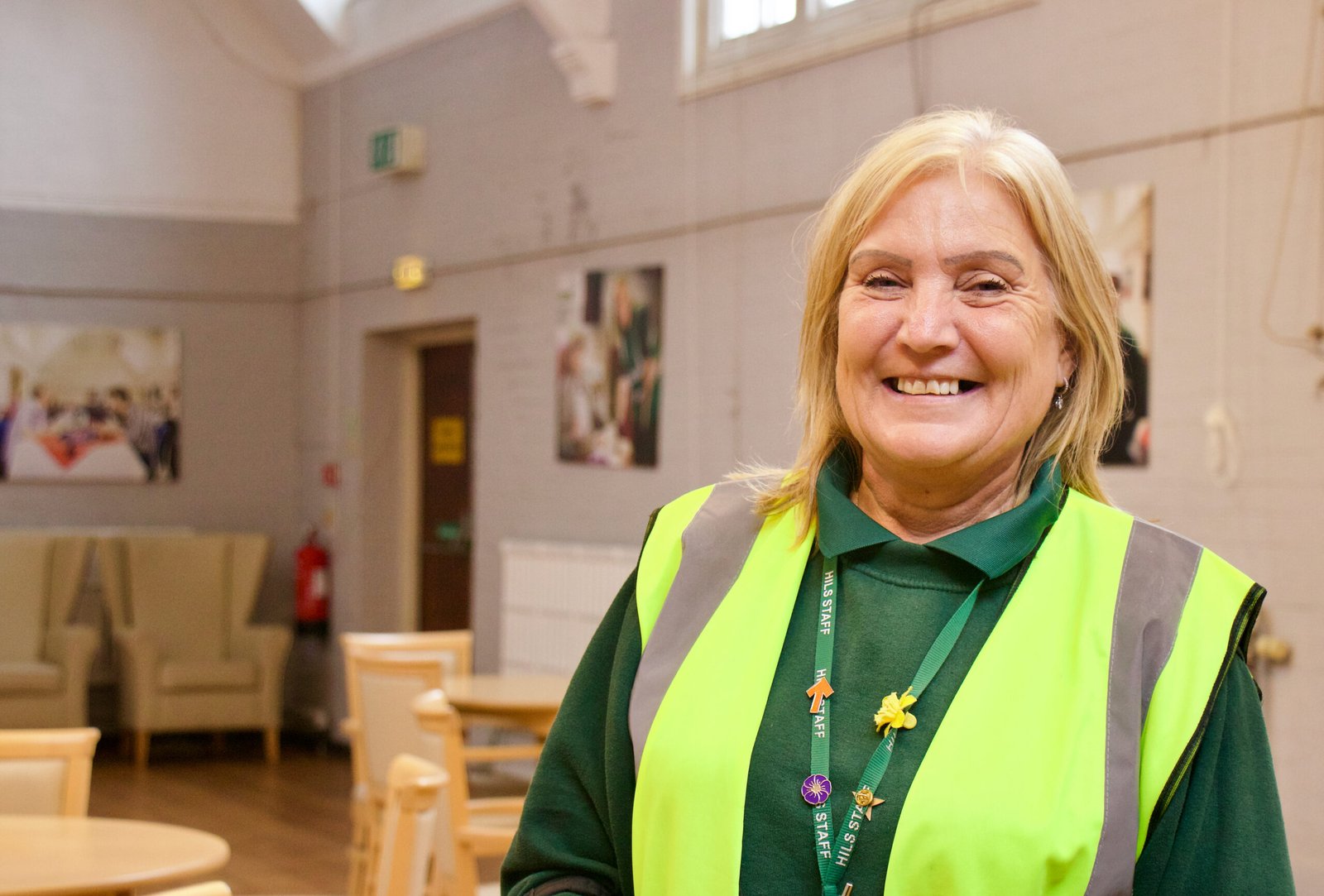
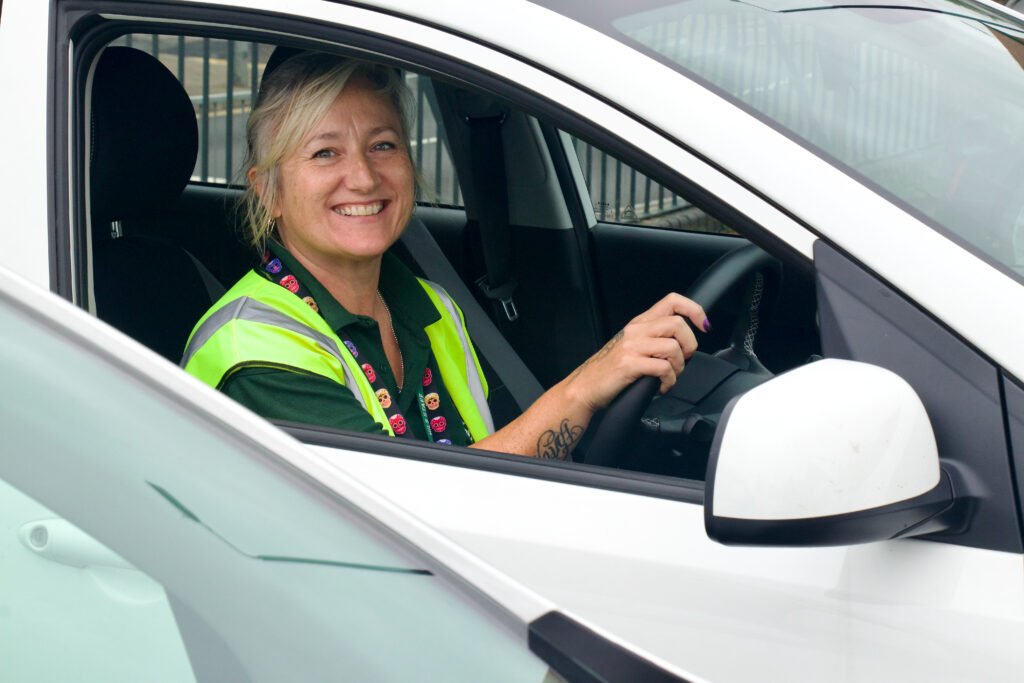
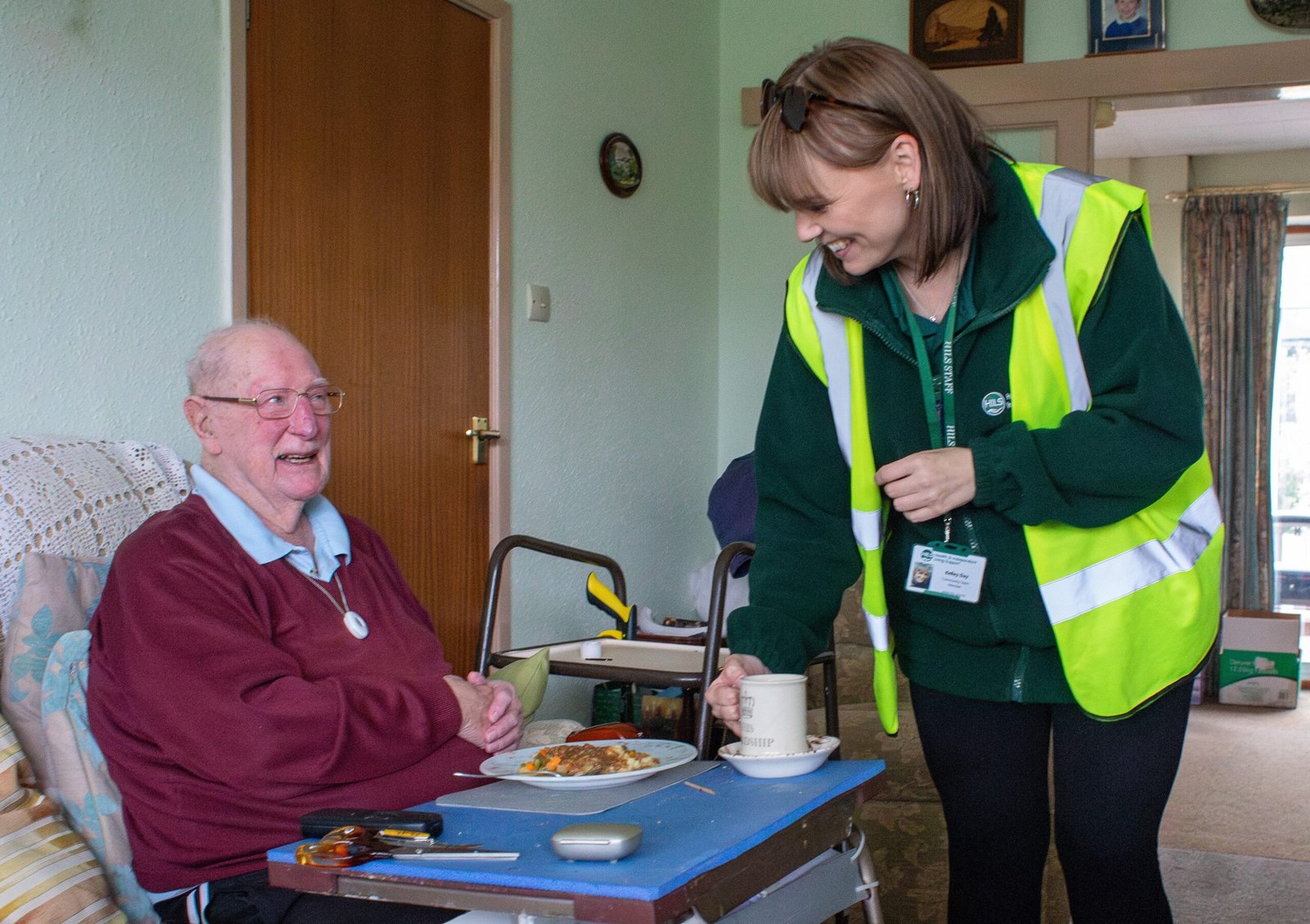
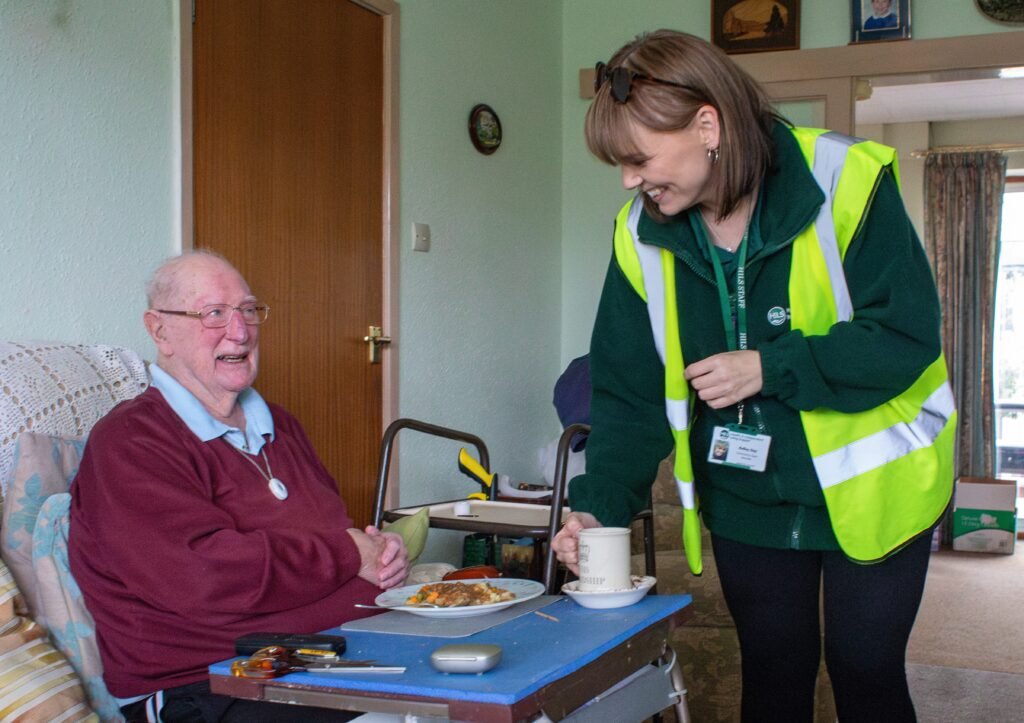
Image: One of the HILS Community Team Members delivering meals and a caring wellbeing check, a standard addition to the HILS meals service
Reliability, reassurance and rapid response
HILS supports primarily older adults, particularly people aged over 85, alongside people living with frailty, physical and learning disabilities, long-term conditions, social isolation and mental health challenges.
Tom explains that what people often value most is the consistency and reliability of the service, as well as the compassion the service brings.
“Accessing food can be quite challenging for our client base, and there’s also the worry about falling and having nobody there to help. In some cases, the meal service is the only regular contact someone has.”
“That regular, trusted human contact is such a huge part of the service.”
Families also gain reassurance from knowing somebody is checking in regularly and escalating concerns if something is wrong.
“… that reassurance that if someone’s worried about their family member or the person in their care, the Meals on Wheels service is there reliably supporting them, and can help them connect to wider support.”
HILS operates rigorous wellbeing-check and “no reply” procedures, including contacting families, checking with hospitals or GPs, and escalating safeguarding concerns where needed.
Tom also highlights the speed at which Meals on Wheels can respond to emerging need.
“If someone contacts us before we start cooking in the morning, we can get food and support to them that same day.”
This flexibility is particularly important to help people remain independent.
“Think about the value to people coming out of hospitals, trying to get back on their feet, returning home to empty cupboards… There aren’t many services out there that can respond so quickly to need in a flexible way.”
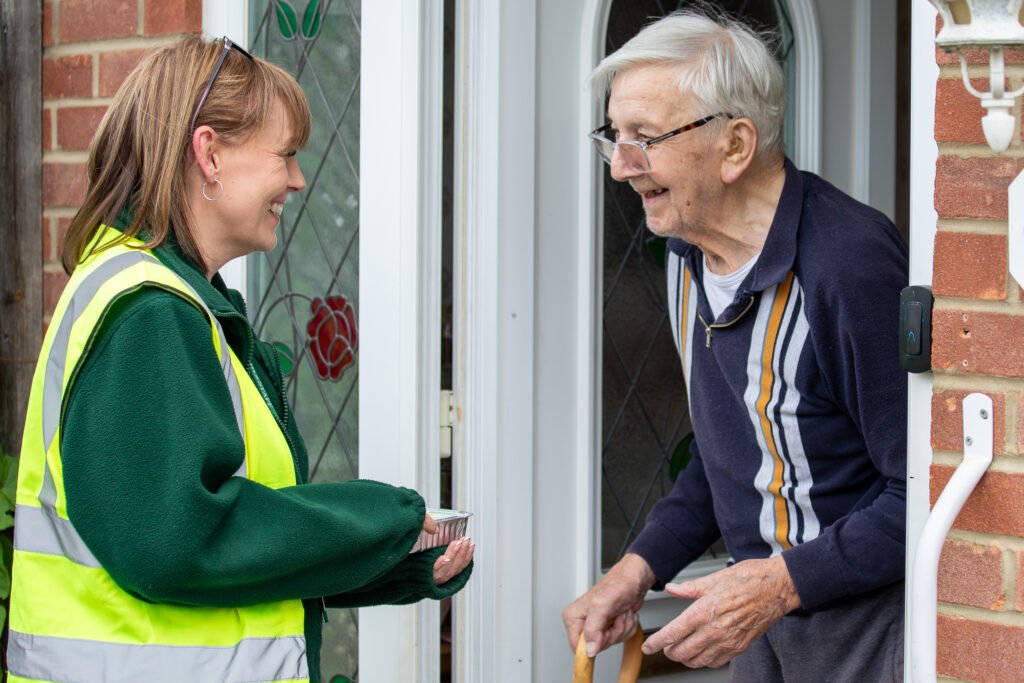
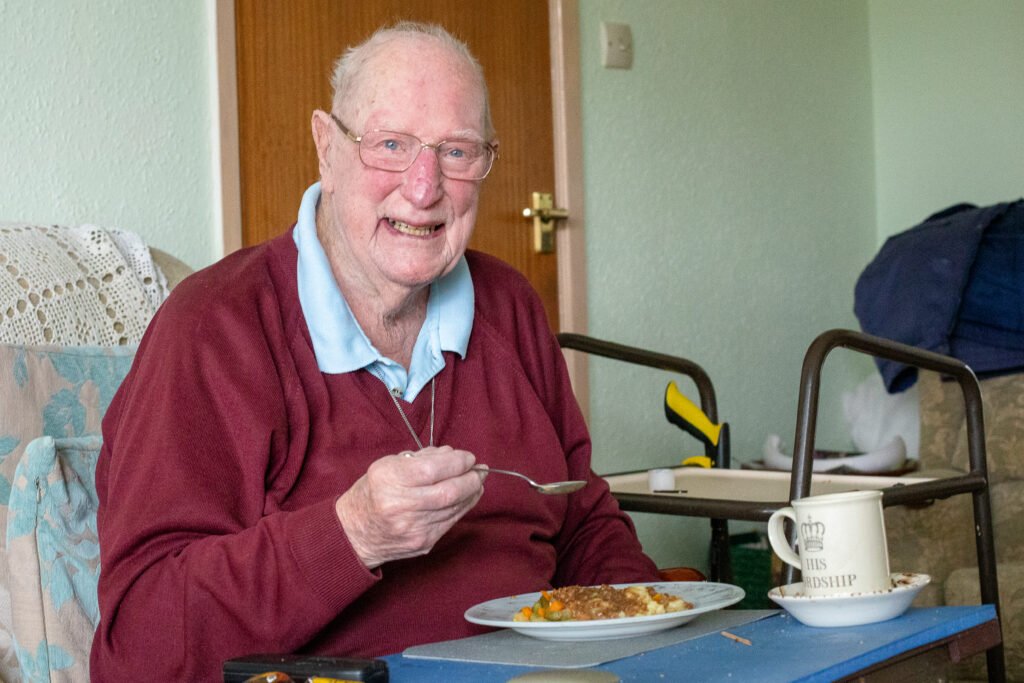
HILS Meals on Wheels are more than a delivery – they are a familiar face and a friendly check in