Accessibility Tools

CAMMS Meals on Wheels Ltd

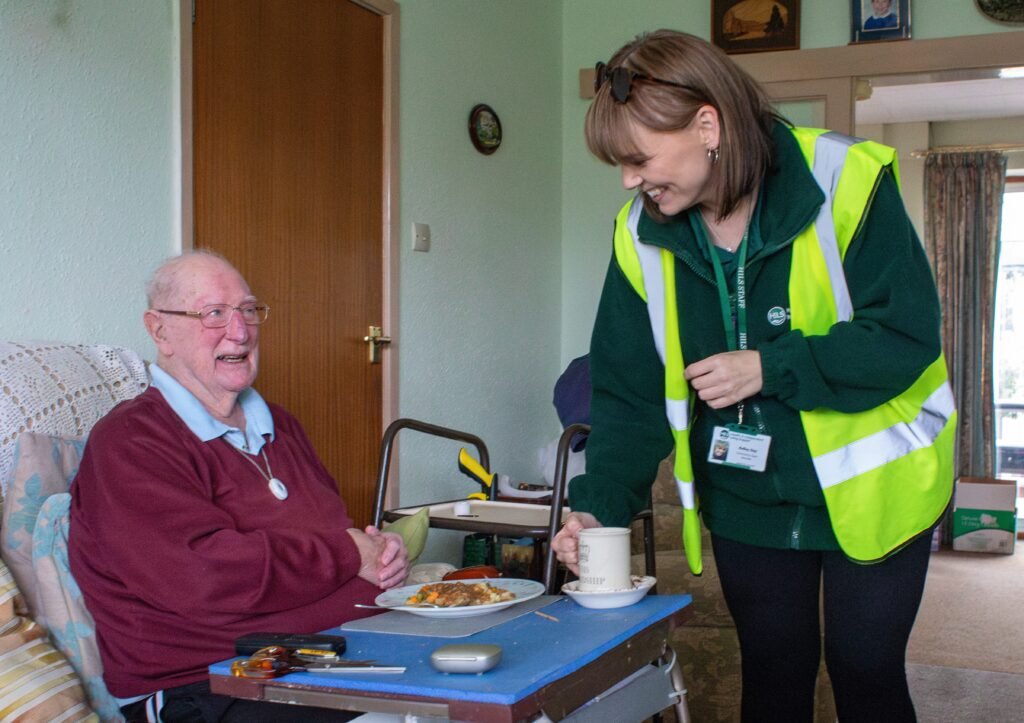
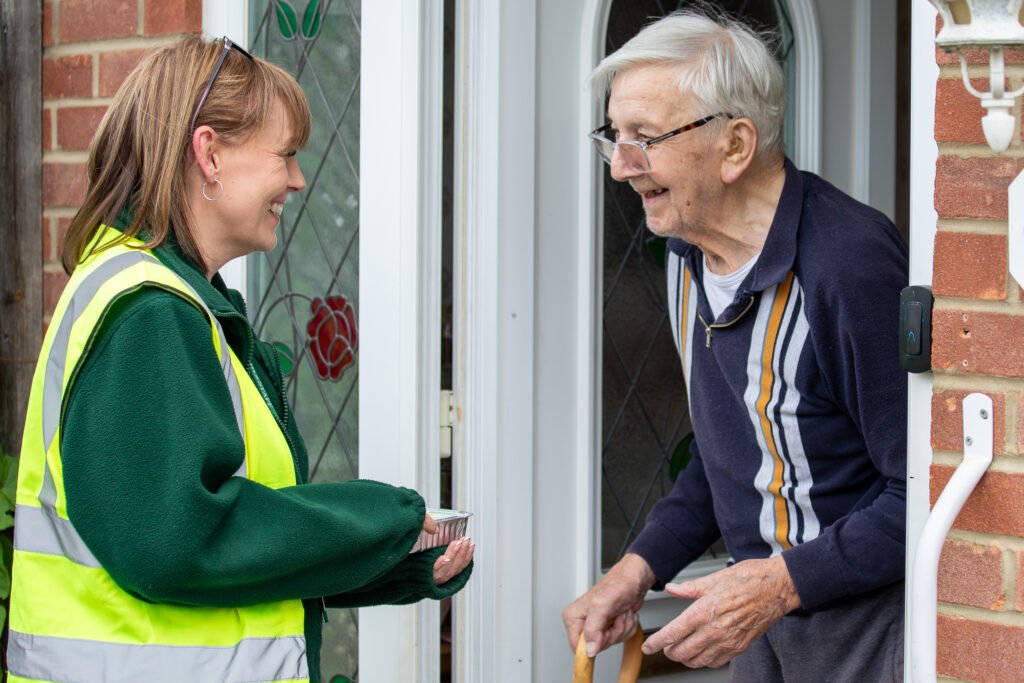
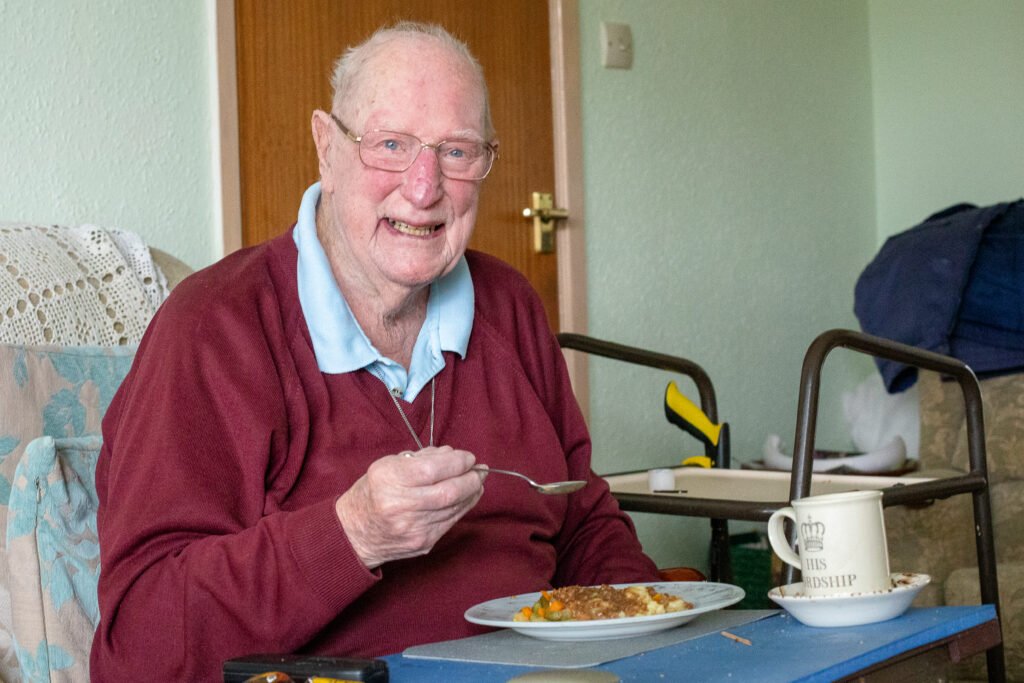
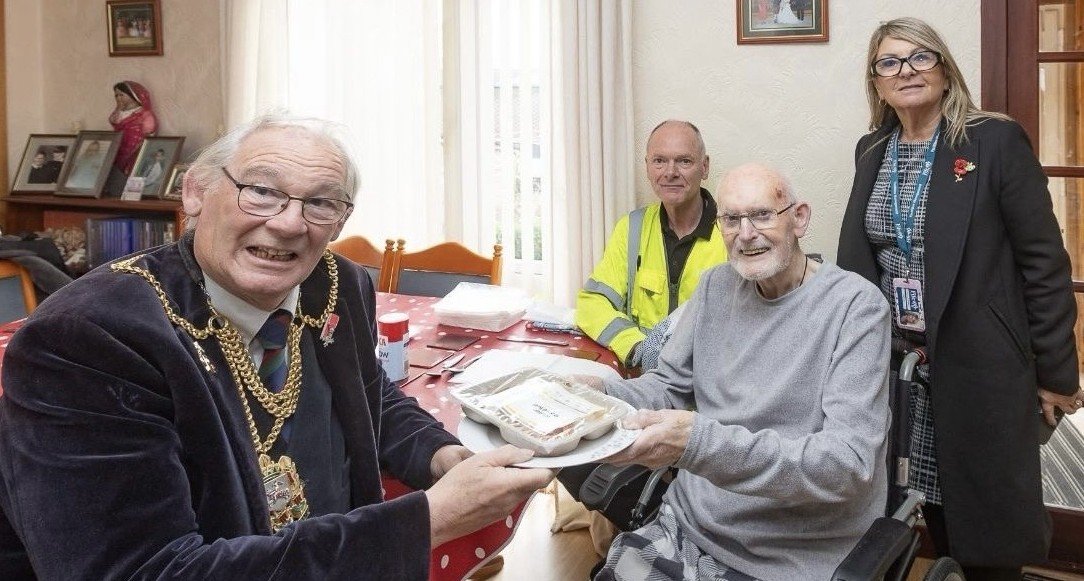
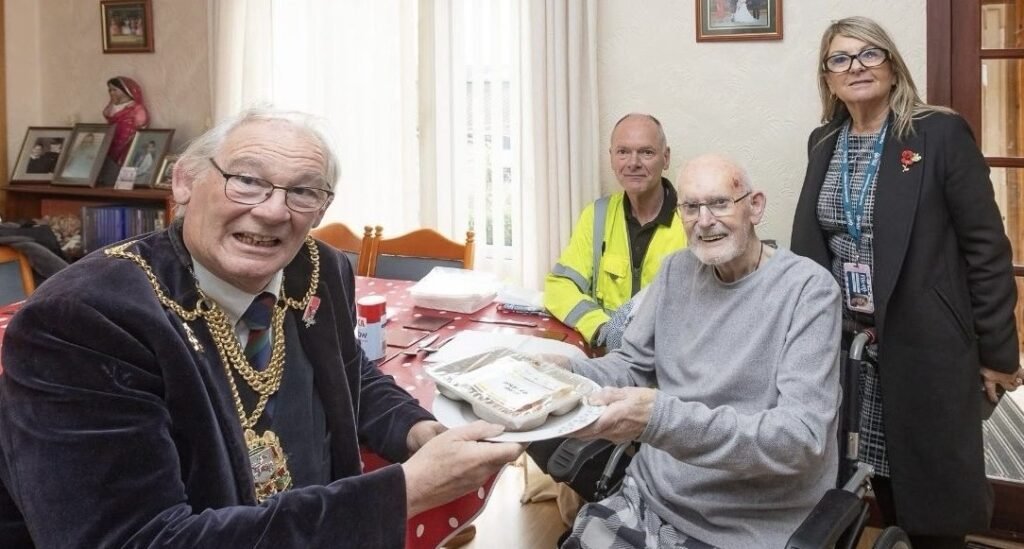
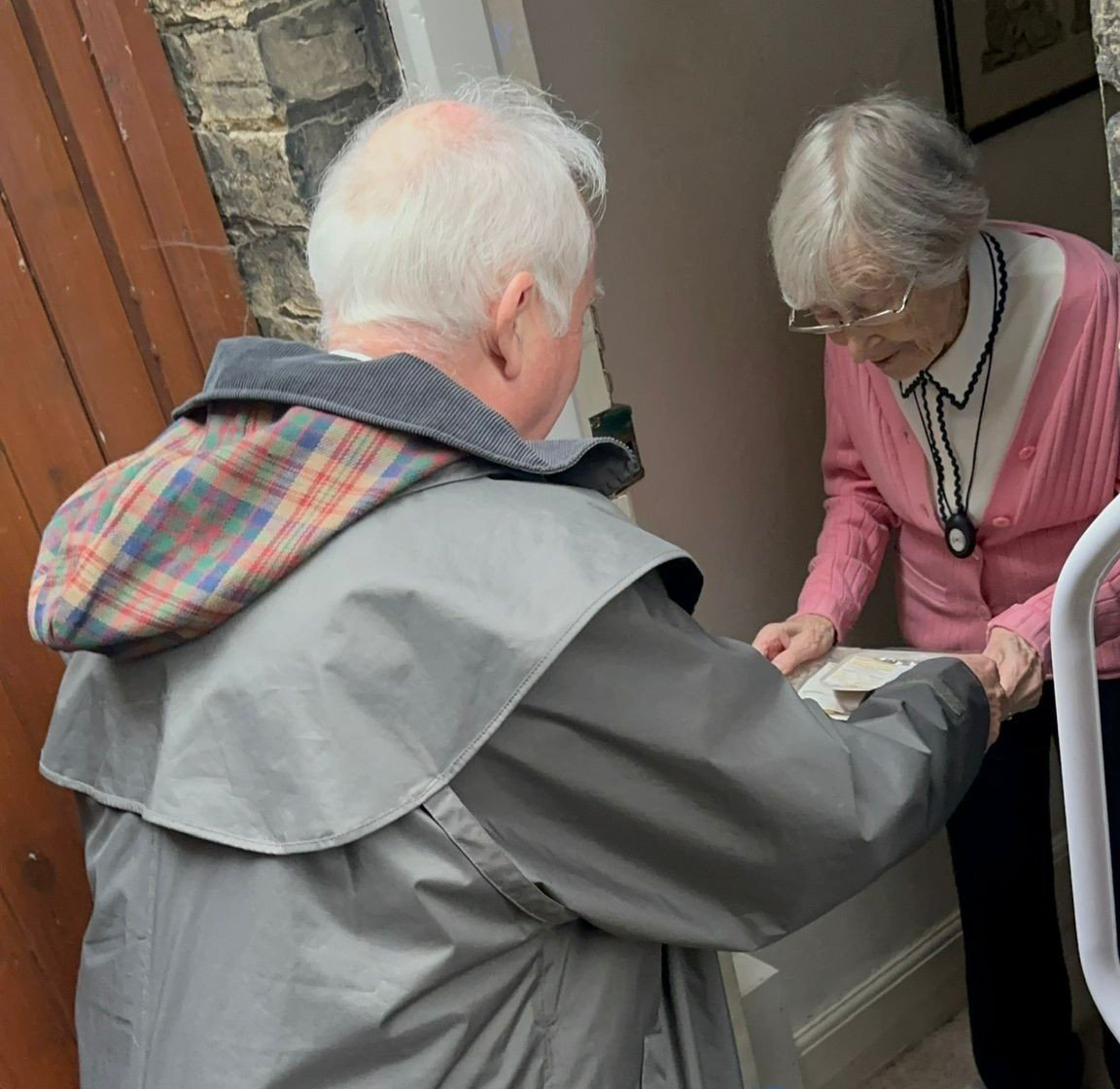
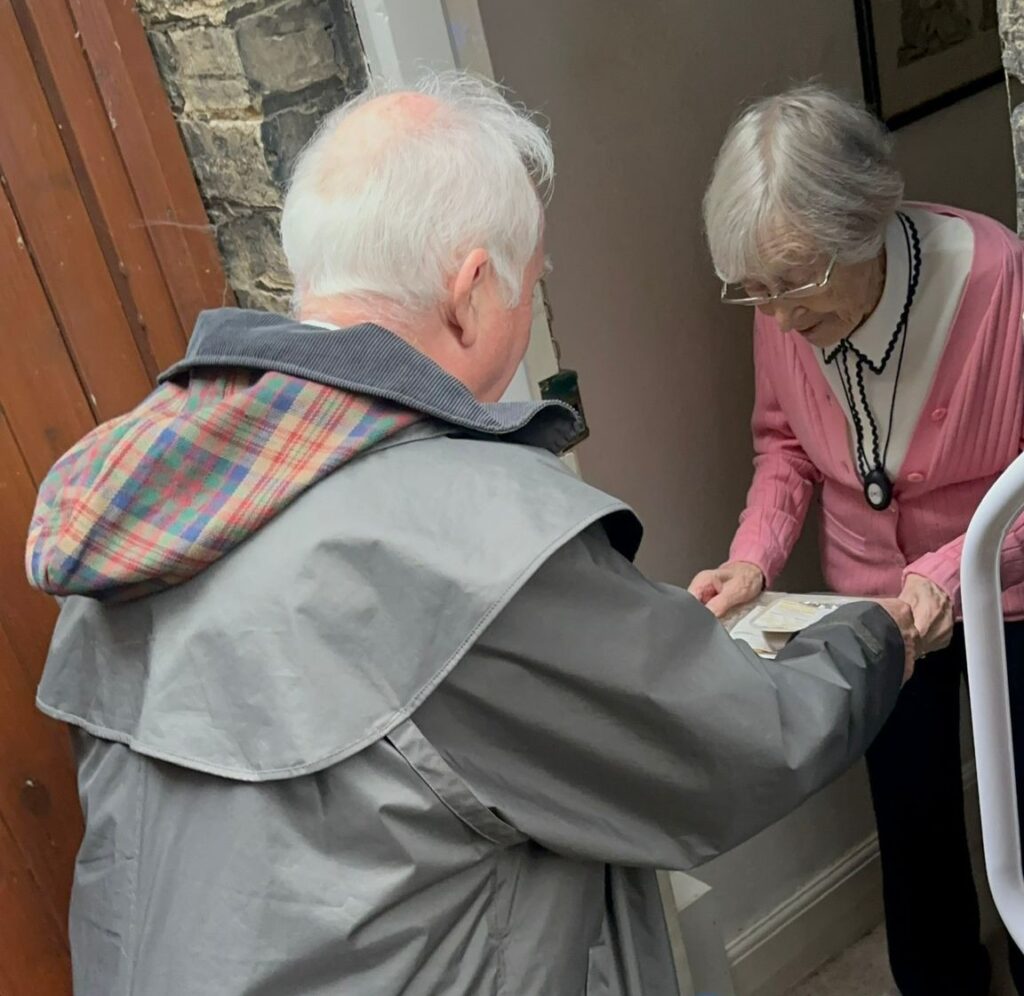
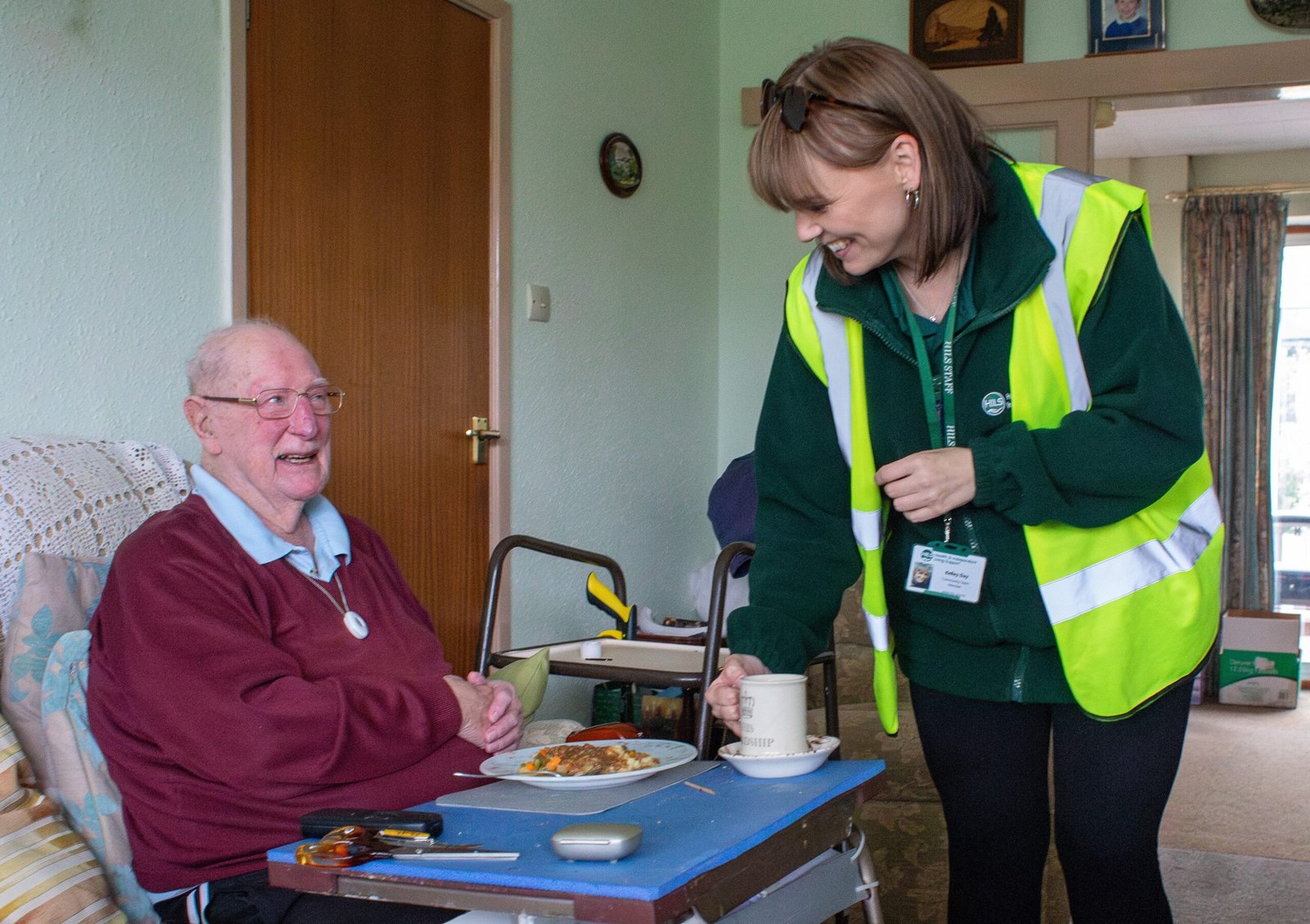
A CAMMS Meals on Wheels team member delivering a meal to a client at home

Provider in Focus | CAMMS Meals on Wheels Ltd

Discussion took place on 6th May 2026

This month, we’re speaking with Justina Augustaviciute, Charity Manager of CAMMS Meals on Wheels Ltd, a service operating in Cambridgeshire.

In this Provider in Focus, Justina shares what it takes to run a Meals on Wheels service across Cambridgeshire and Fenland – from managing rural delivery routes (covering 50-60 villages across Cambridgeshire) and rising costs, to reaching isolated older people and supporting families from afar.

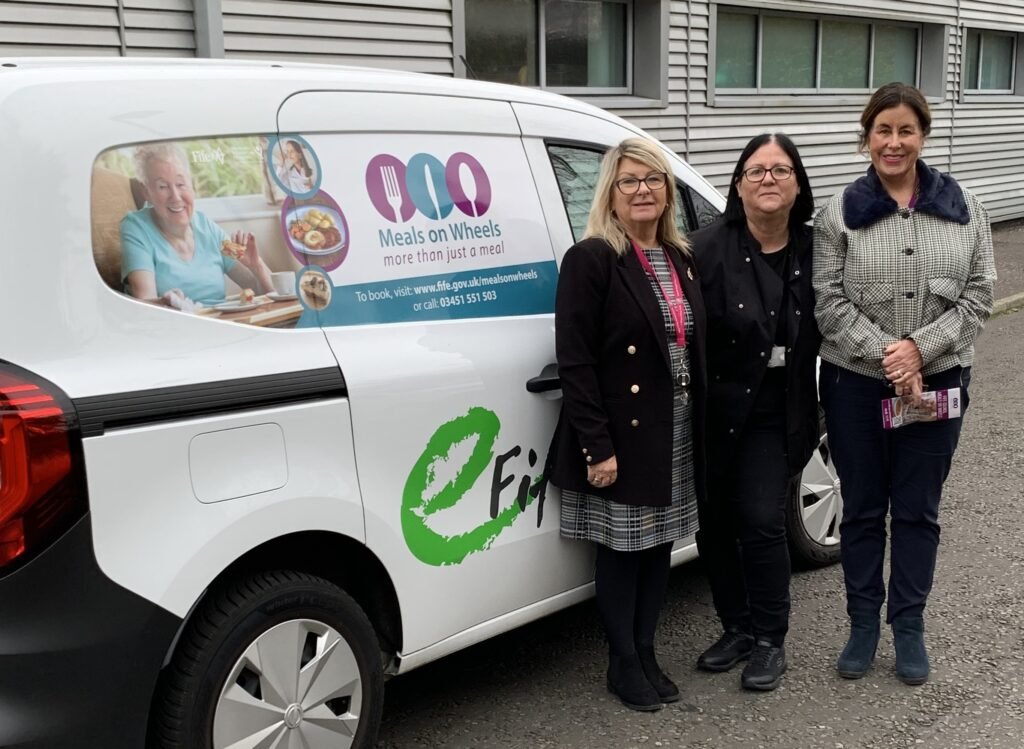
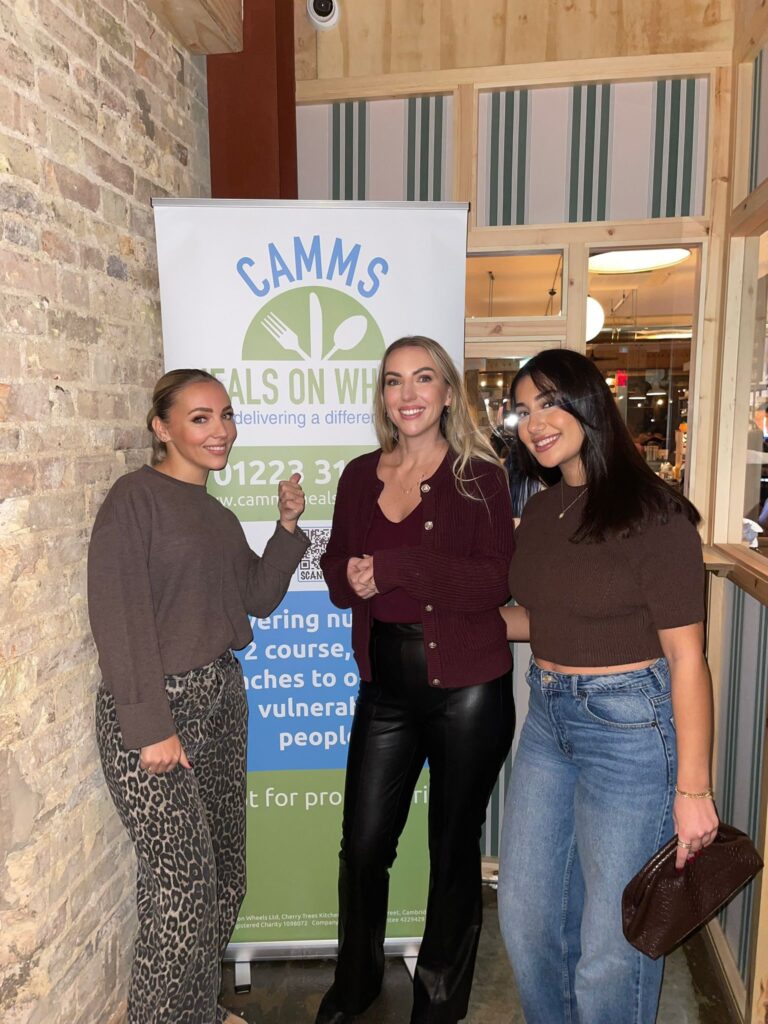
Justina Augustaviciute, Manager of CAMMS Meals on Wheels Ltd, attending a local community event to raise awareness of the service

Justina Augustaviciute, Manager of CAMMS Meals on Wheels, attending a local community event to raise awareness of the service

Delivering more than a meal

CAMMS Meals on Wheels delivers hot meals across a large rural area, operating from two bases and reaching people across Cambridgeshire and Fenland.

The service supports mainly older adults who want to remain living independently at home but need support with accessing or preparing food.

As Justina explains, the service is about far more than delivering meals:

“We provide welfare checks, which I think is sometimes more important than the hot meal deliveries.”

Drivers are DBS-checked and, where appropriate, trusted with key safe access so they can respond if a customer is unwell, unable to answer the door, or has had a fall.

“We have unfortunately had cases where the drivers did enter the house and found our customers unconscious or after a fall… this is where I think our service becomes vital.”

The service also provides reassurance to families – particularly those living far away from relatives.

“The service is not only for the people themselves – it’s for their contacts, their children… many live far away, even abroad. Meals on Wheels is a lifesaver.”

A CAMMS Meals on Wheels team member delivering a meal to a client at home

“I’m not saying we are the most important service in the world, but we are extremely important… I can’t even imagine what would happen with quite a few of our clients if Meals on Wheels wasn’t here.” 

Image: A CAMMS Meals on Wheels team member delivering a meal to a client at home

A familiar face and a daily routine

Justina describes how important daily contact can become for many customers.

For some, the delivery driver may be:

  • The only person they see that day
  • A source of routine and reassurance
  • An important connection to the outside world

“We have people literally coming outside and waiting for the drivers to come.”


“Meeting the delivery driver every day, sometimes seven days a week, becomes an essential part of their life.”

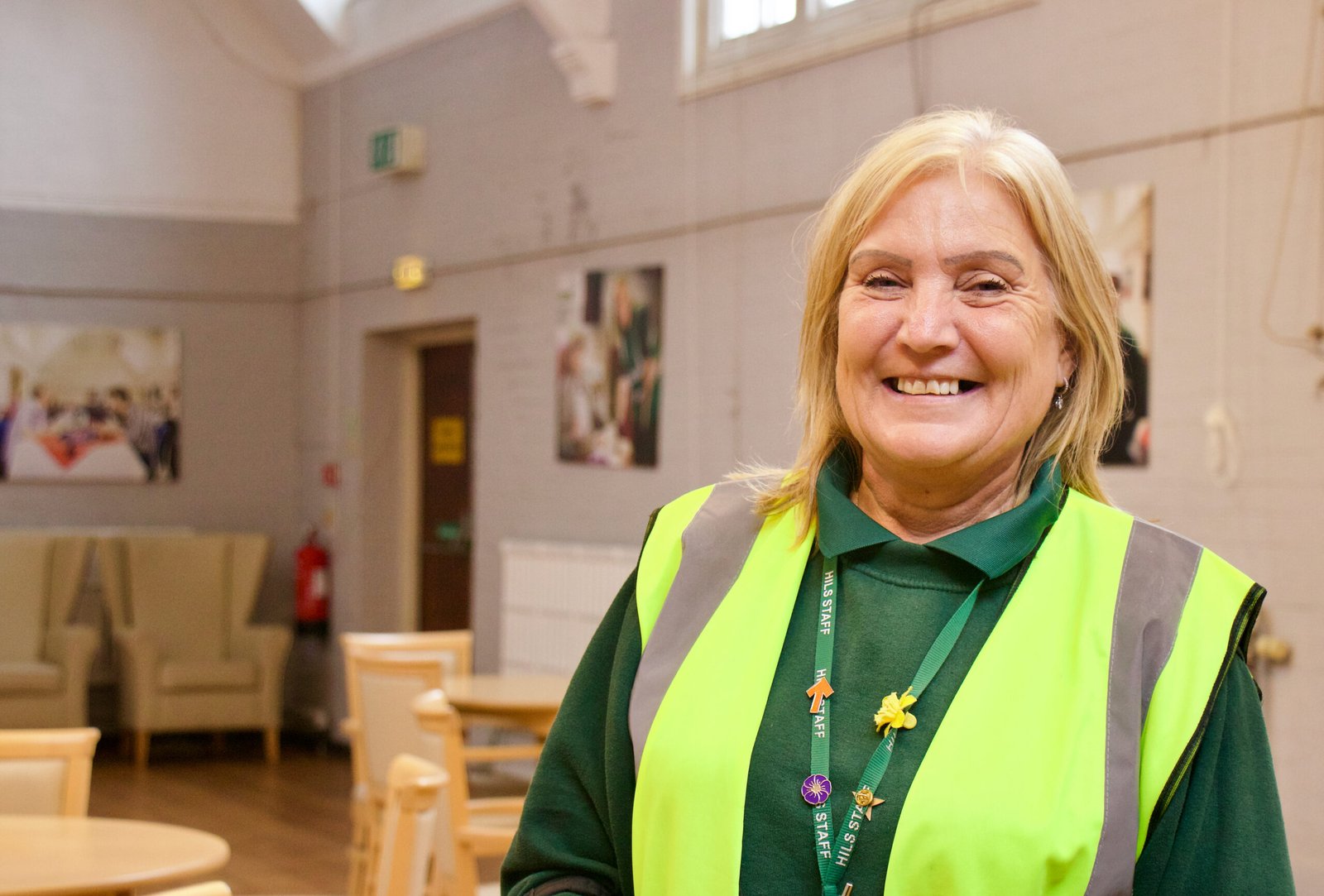
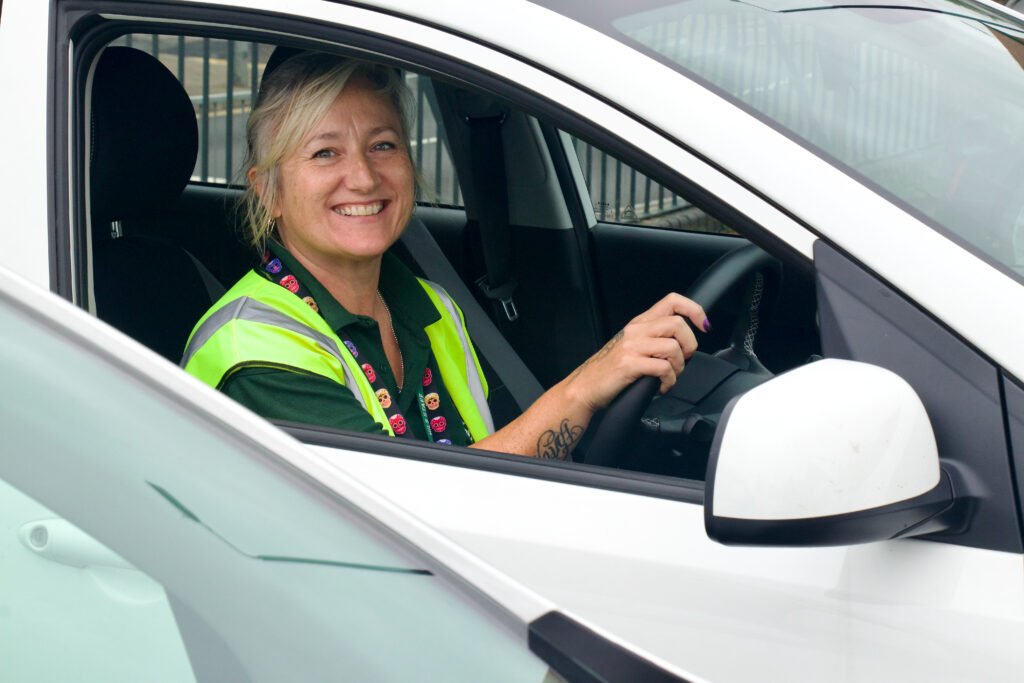
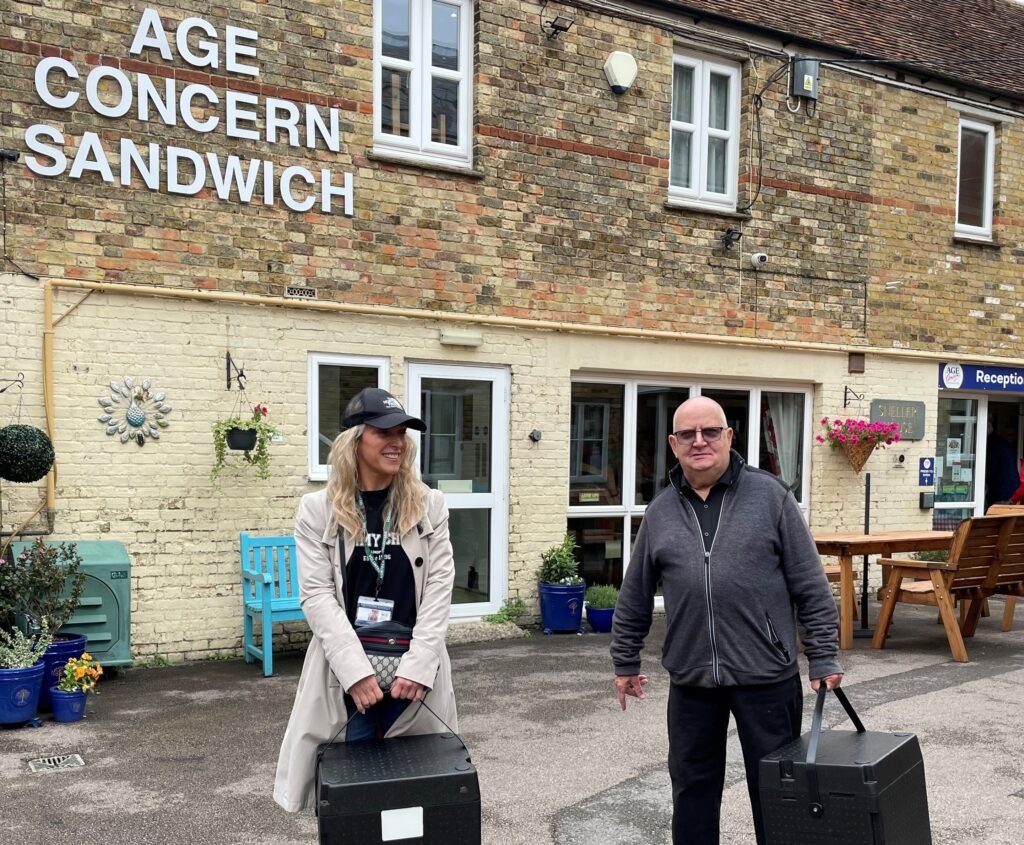
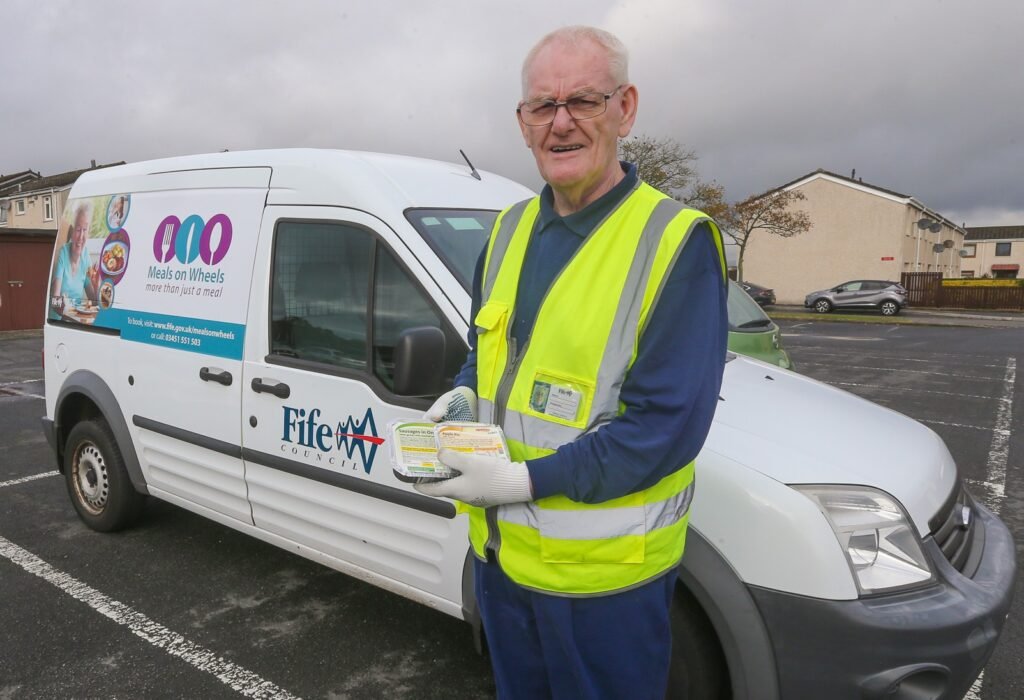
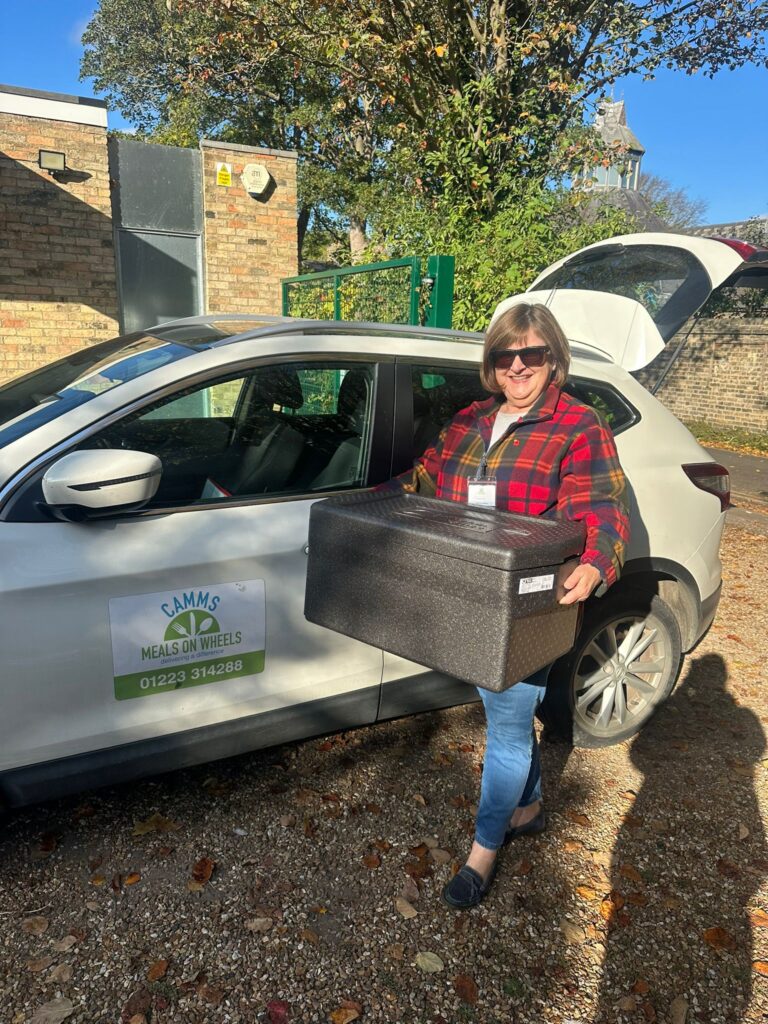
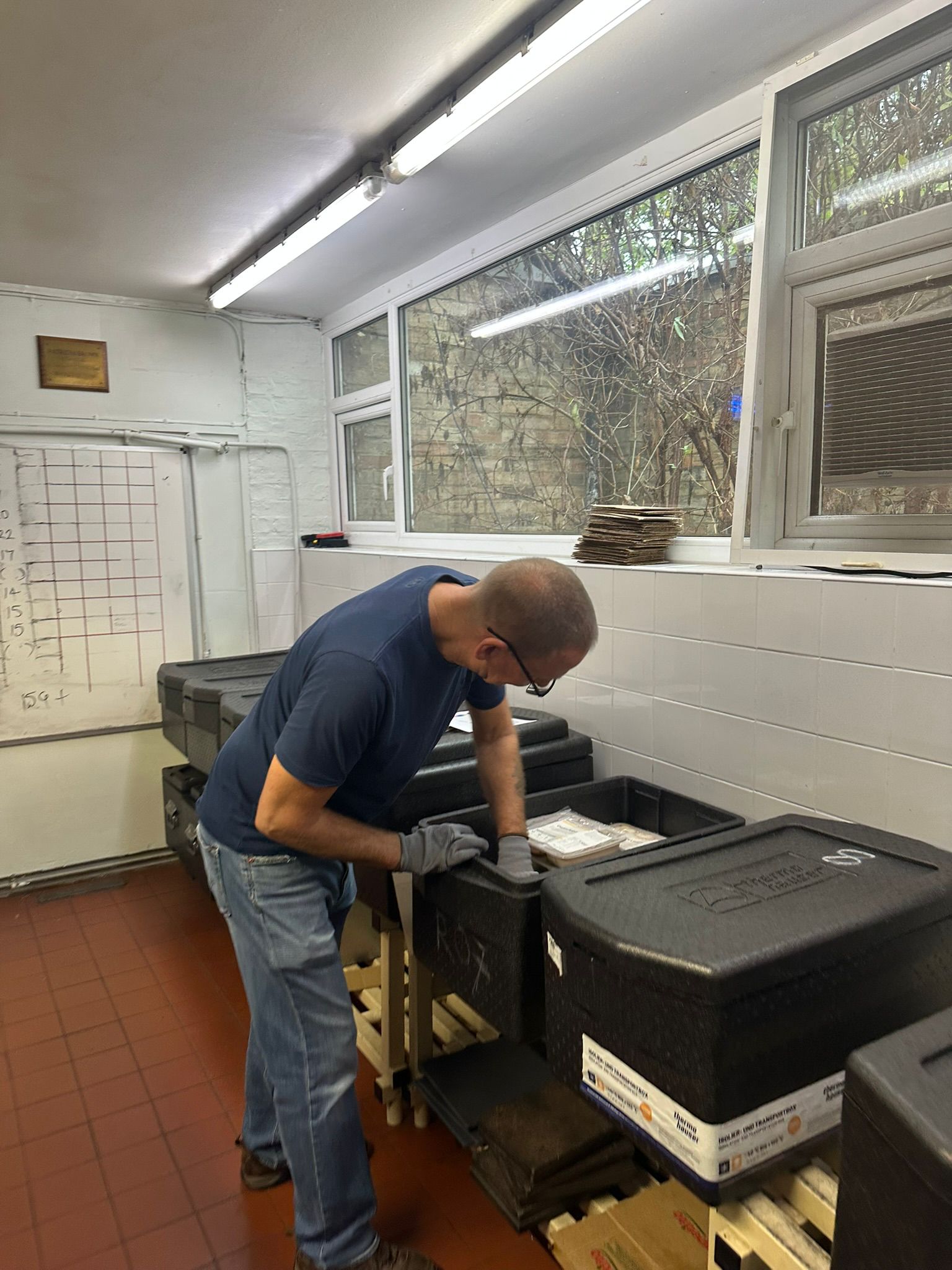
One of the CAMMS Meals on Wheels Ltd drivers preparing to deliver meals in the community

One of the CAMMS Meals on Wheels drivers preparing to deliver meals in the community

Running a flexible service in a challenging environment

Operating across rural areas brings logistical challenges, but Justina emphasises that flexibility is key.

New referrals are carefully matched to routes, with office staff and drivers working closely together to manage capacity and geography.

“We have a system, but it’s also very much run by people.”

At the same time, the service faces increasing financial pressures. Like many providers, CAMMS Meals on Wheels has experienced: 

  • Rising supplier costs
  • Increased fuel prices
  • Higher staffing costs and national insurance contributions
  • Declining new inquiries following price increases

“We are left to manage these things on our own… it’s very difficult to pay for supplies, pay drivers’ wages, and still remain not-for-profit.”


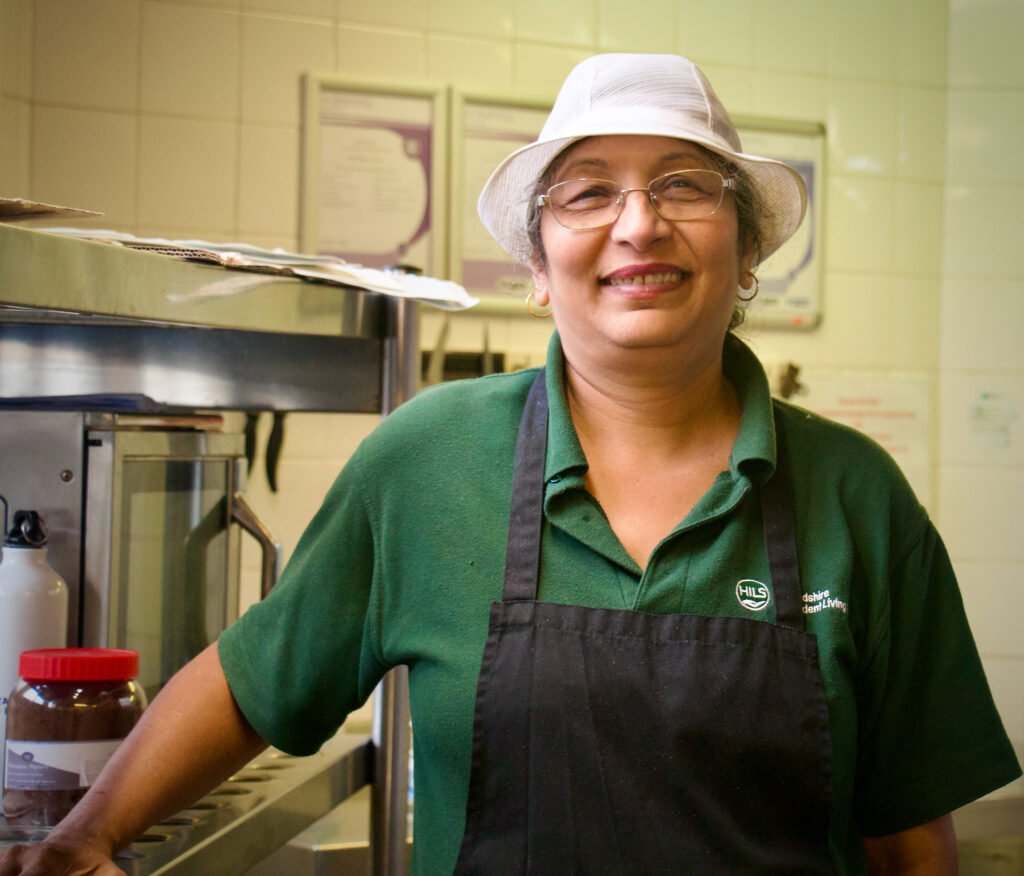
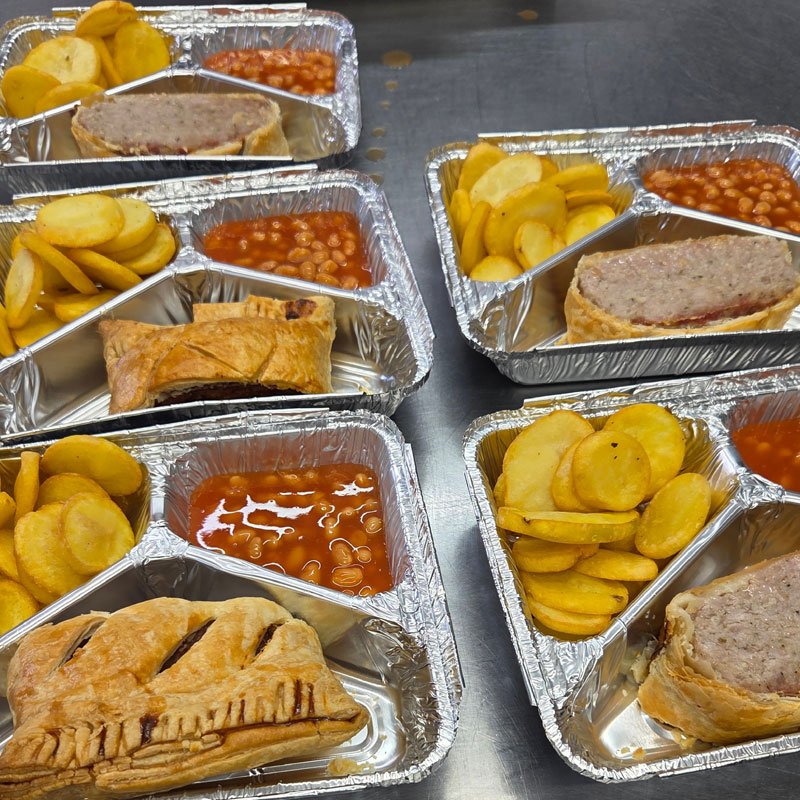
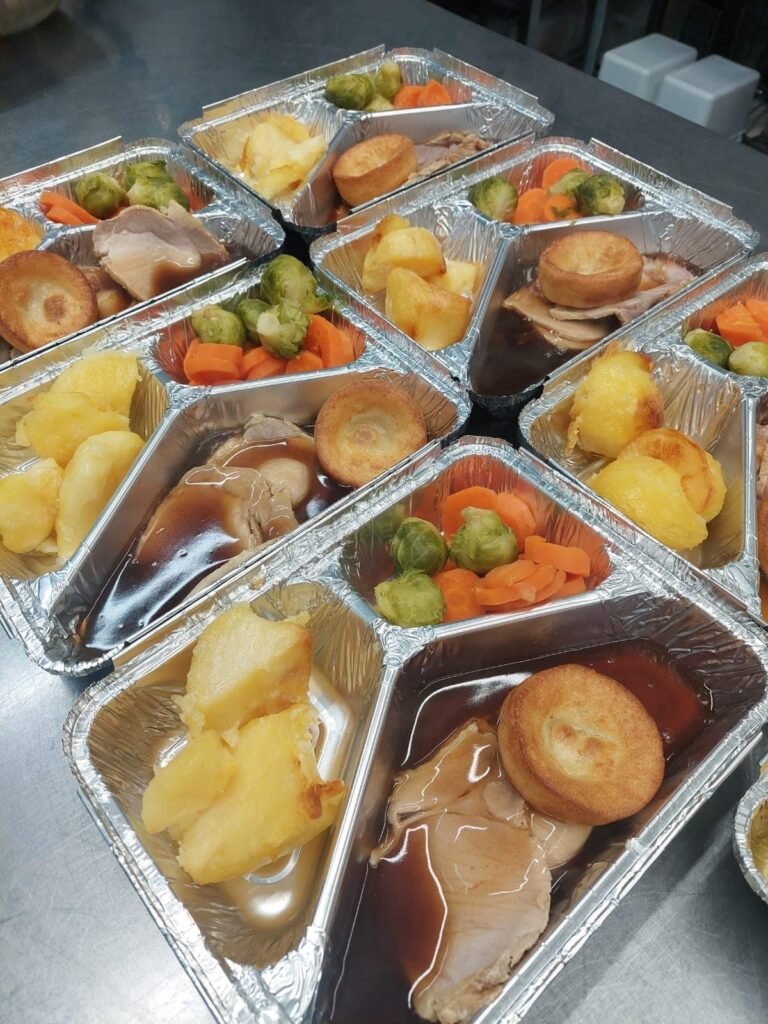
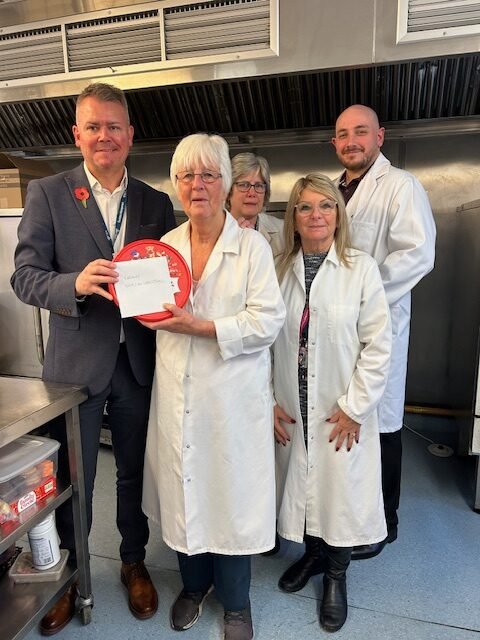
Meals being prepared and packed for delivery as part of the daily CAMMS Meals on Wheels Ltd service

Meals being prepared and packed for delivery as part of the daily CAMMS Meals on Wheels service

Justina is clear that raising awareness and attracting new customers is becoming increasingly important for sustainability.

Marketing and visibility matter

One of the strongest themes throughout our discussion is the importance of visibility and community engagement.

Justina spends significant time promoting the service directly in local communities.

“If you don’t have a lot of funds for paid advertising, you have to do it yourself… my tip is never give up on the hard work.”

One practical approach that has worked well is targeted leafleting.

“If you already have a customer in a particular area, make sure you deliver leaflets nearby as well.”

This helps reduce additional mileage costs while reaching people who may benefit from the service.

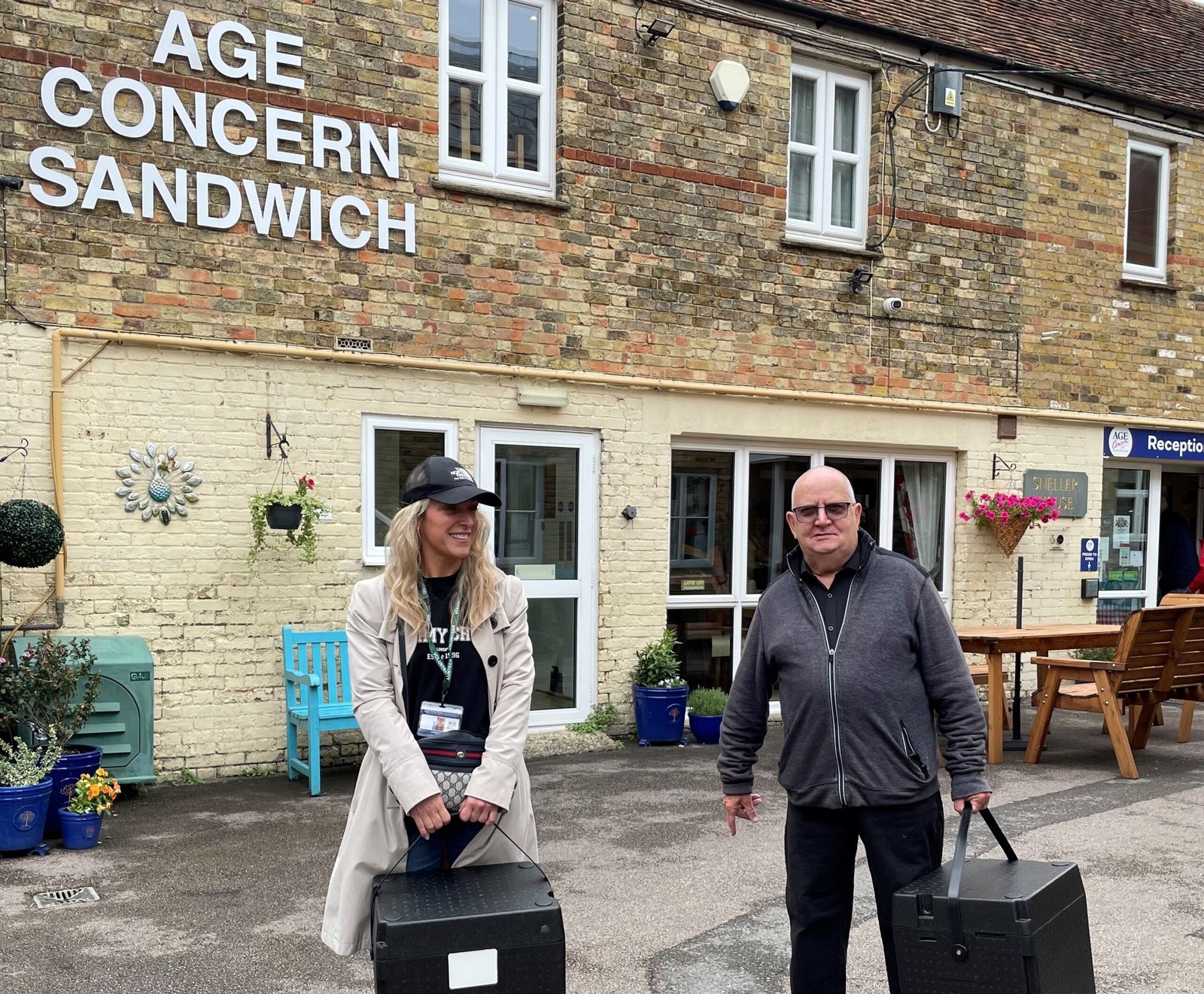
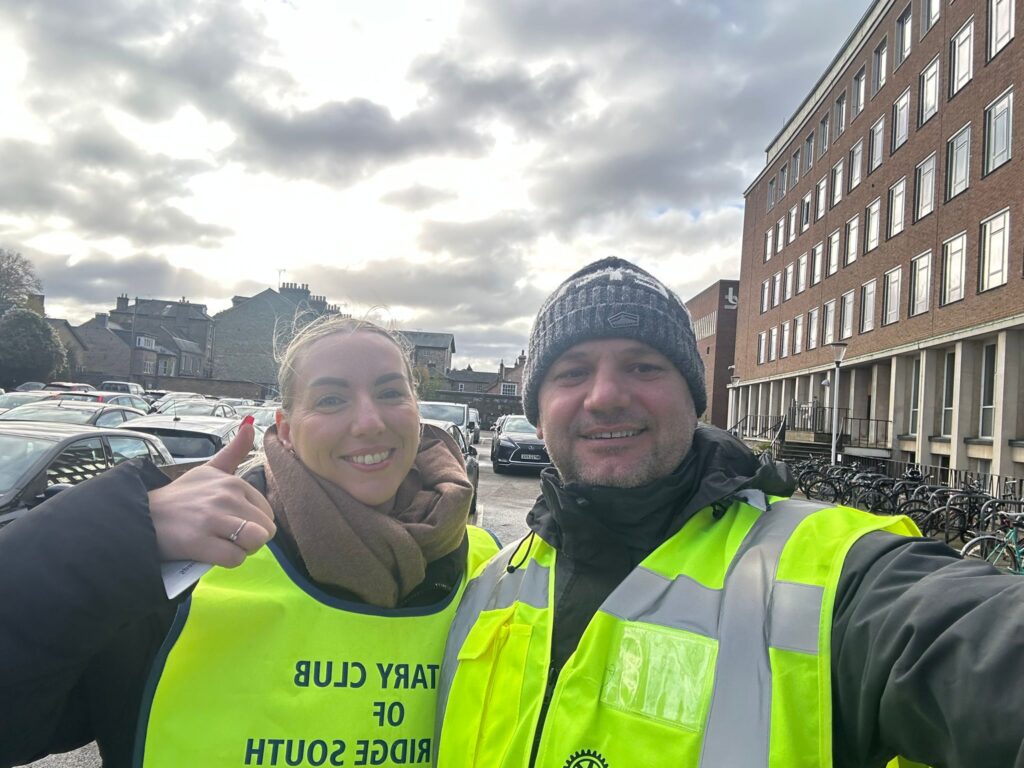
Representatives from CAMMS Meals on Wheels Ltd attending a local community event, helping to raise awareness of Meals on Wheels services and connect with potential supporters and partners

Representatives from CAMMS Meals on Wheels attending a local community event, helping to raise awareness of Meals on Wheels services and connect with potential supporters and partners

To help raise awareness, the service also uses:

  • Facebook
  • LinkedIn
  • Networking events
  • Community contacts
  • Local organisations and community navigators

“We need to make sure people know we exist and how to find us.”

The role of communities and local connections

Justina highlights the importance of building relationships with people already embedded within communities. 

This includes:

  • Community navigators
  • Churches and community centres
  • Cafés and local businesses
  • Social prescribers and neighbourhood organisations

These local connections can help providers identify:

  • Who may benefit from the service
  • How to reach isolated individuals and families


“The people who are known in the community need to be contacted the most.”

Why the service matters

Reflecting on the wider role of Meals on Wheels, Justina points to both the health and social care impact of the service. 

“There has been great research showing fewer hospital admissions with Meals on Wheels provision.” 

But she also emphasises something that is often overlooked: the support provided to families and unpaid carers.

“Meals on Wheels is a peace of mind for families… at least they know their relative will receive a hot meal and someone will notice if something is wrong and notify them.”

When asked what would happen if the CAMMS service did not exist, she pauses before answering: 

“I honestly don’t know… Some of the people, and that I know for sure, they are completely lonely, completely unable to provide food for themselves, to get the supplies and to cook and reheat the food… I think it would be much worse than it is now.” 

Looking ahead

Justina believes providers would benefit greatly from stronger opportunities to connect and learn from one another. She would welcome:

  • More opportunities for peer learning
  • Shared marketing ideas
  • Easier communication between providers
  • Stronger platforms for evidencing impact

It would be great if there was a network – a sort of Meals on Wheels hub – where providers and service managers could easily communicate and share ideas. 

She also reflects honestly on the emotional labour involved in running a not-for-profit service. 


“You put a lot of work in to receive maybe 20% of the result you would in a for-profit organisation… it’s like chasing the wind in a field – you still need to get the result but with very few resources. I learnt the hard way that more punches will be thrown at you than praise. But you keep going because you care. 

Advice for other providers

For people considering developing a new Meals on Wheels service, Justina advises: 

Be flexible. Have your system set, but allow it to bend.

She explains that rigid step-by-step systems often do not reflect the realities of running a community-based service supporting vulnerable people.

“In charities, step-by-step guides do not work.”

And if an existing Meals on Wheels service came to Justina for advice, she emphasises the importance of: 

  • Flexibility in staffing and operations
  • Balancing workloads carefully
  • Avoiding unnecessary complexity
  • Remaining open-minded about how services are organised

She also highlights the importance of building strong communication across teams and maintaining a people-centred approach when working with clients and families.

Justina’s question to other Meals on Wheels providers

“What has been the most effective way of marketing your Meals on Wheels service – and who do you find is the most important audience to reach?”

This reflects one of the key challenges discussed throughout our conversation: ensuring people know services exist and understand how they can help.

Learn more about the CAMMS Meals on Wheels service
Contact: enquiries@cammsmealsonwheels.org | 01223 314 288

Do you run a Meals on Wheels service and have thoughts or experience to share? Join the conversation with other Meals on Wheels providers via our WhatsApp Community.

Fair Close Meals on Wheels service

Fair Close's Kitchen

Provider in Focus | Fair Close Meals on Wheels service

Discussion took place on 30th April 2026

This month, we’re speaking with James Wilcox, Chief Executive of Age Concern Newbury, who run the Fair Close Centre, including a Meals on Wheels service operating in Newbury and Thatcham in West Berkshire.

Delivering freshly cooked meals six days a week to around 55 customers, the service combines a professional kitchen with a strong volunteer network. At its heart is something simple but powerful: food, connection, and care, delivered together.

Service Snapshot

Location: Newbury & Thatcham (West Berkshire)

Customers: ~55, many receiving meals daily

Delivery: 6 days a week, Saturday meal delivered on Friday

Team: 2 core staff + ~35 volunteers

Meals: Freshly cooked on site

“If Meals on Wheels didn’t exist, I think some people would go hungry and their families wouldn’t know about it… a lot of people would go into a care home sooner… And I think quite a lot of people would just find themselves getting out of the habit of eating. I don’t think anyone would be better. I think it’s a lifeline.” 

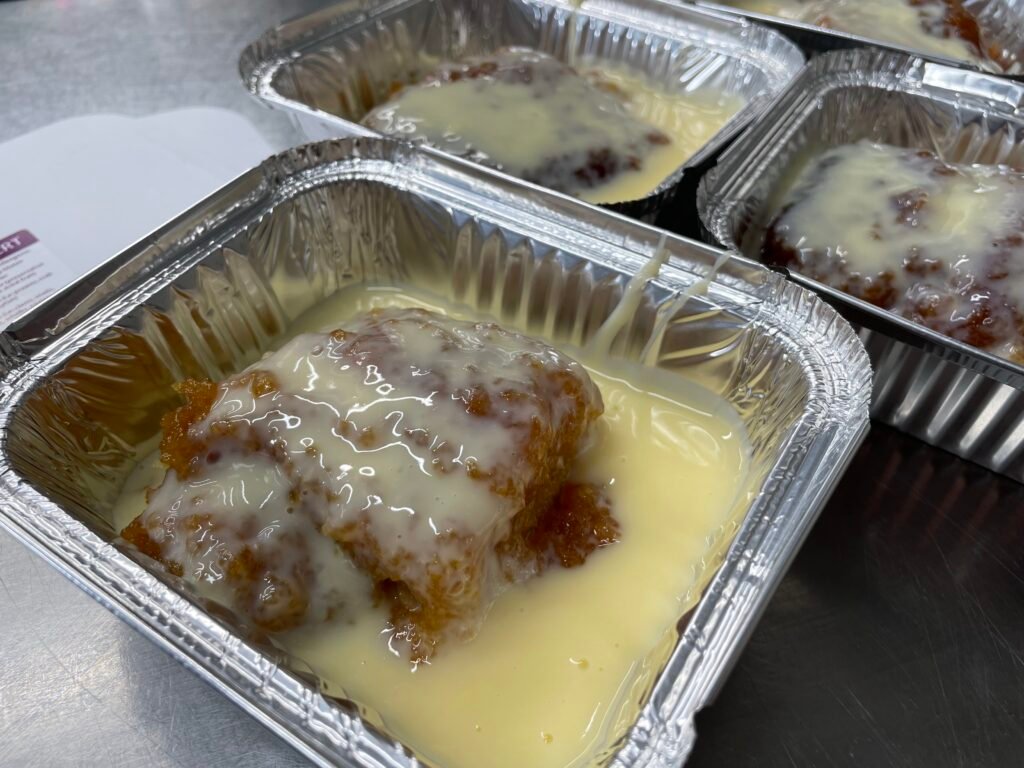
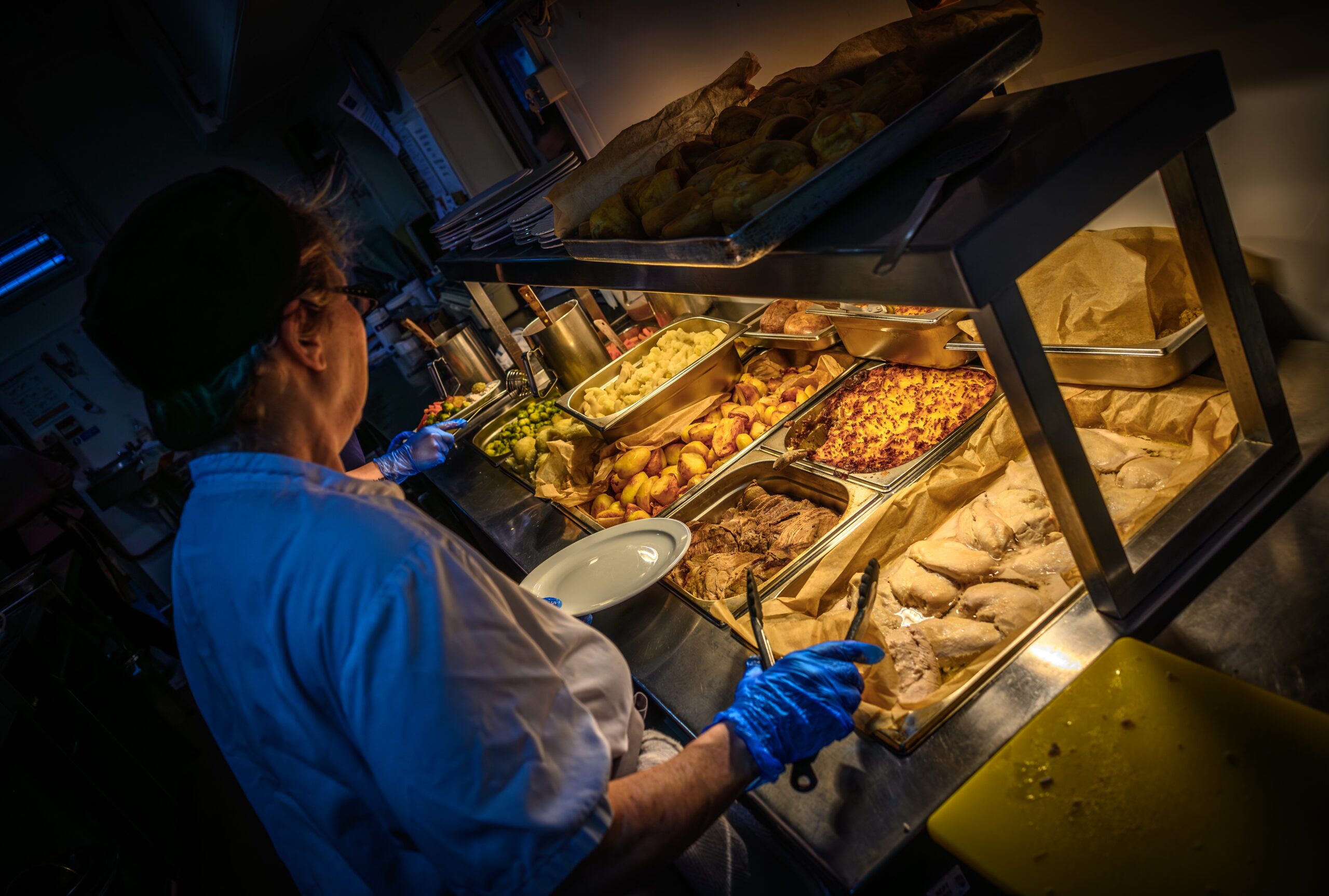
Image: Fair Close’s Kitchen

About the service

The Fair Close Centre supports mainly older adults living independently, often in their 80s, many of whom live alone. While meals are central, the service plays a wider role for both individuals and their families. 

As James explains, families are often the ones arranging support.

For those receiving the service, the impact is immediate. Feedback is often simple but telling: people are grateful, and over time, the service becomes part of their routine and wellbeing. 


“They want the reassurance to know that their parents are eating properly and that they eat every day.”

What makes this service different?

For James, two things set the Fair Close Meals on Wheels service apart: human connection and food quality.

“It’s not like an Uber delivery driver or a takeaway – it’s a DBS-checked volunteer, nearly always delivering to someone they know. So there’s a relationship.”

This relationship also brings an important safeguarding role, with volunteers able to notice changes or concerns. 

Alongside this, the service focuses on freshly cooked meals prepared on site:

“Being freshly cooked… the nutritional value over and above the microwave meal is something I want to emphasise. You can taste the difference.”

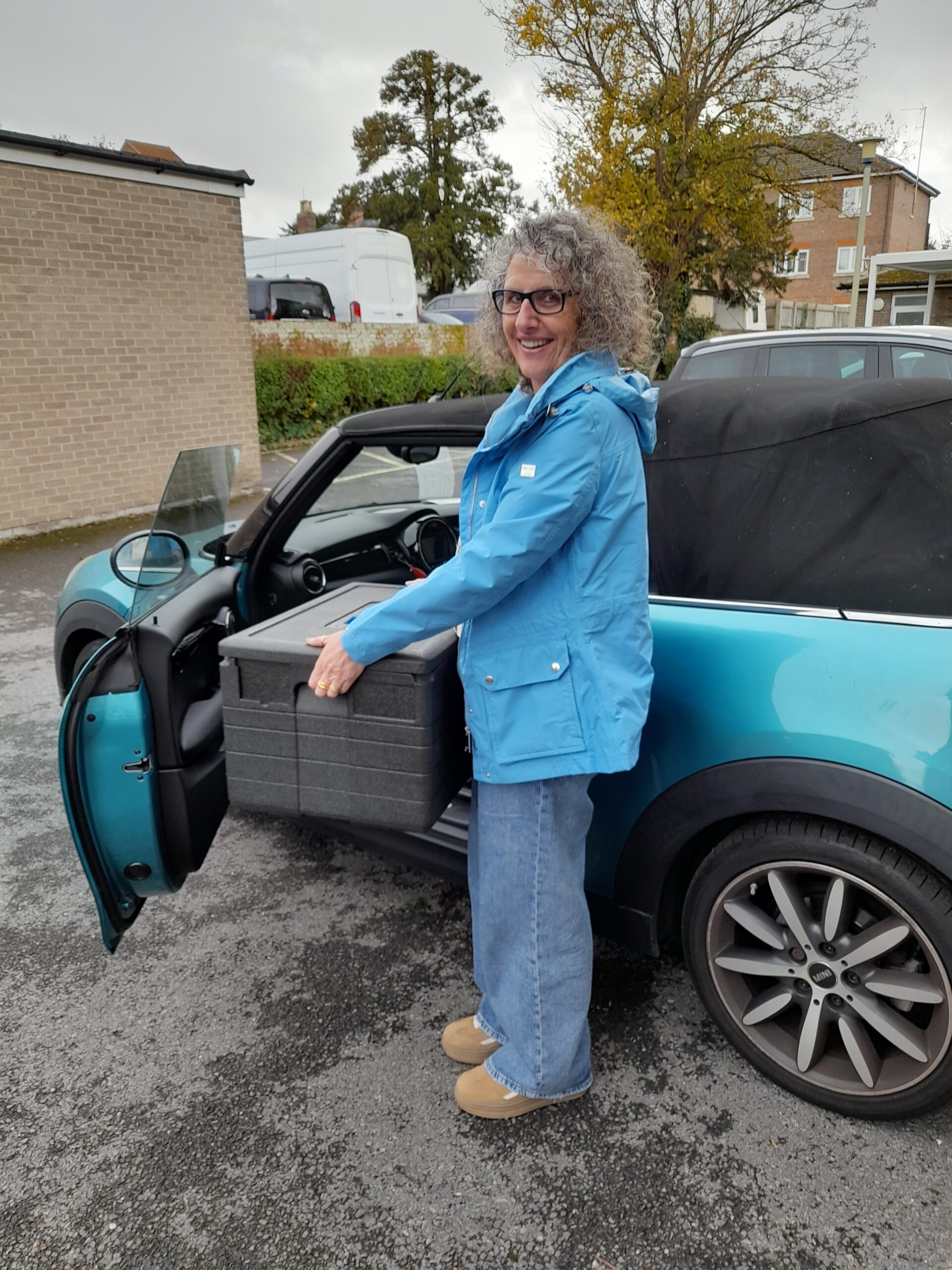
Preparing for the day’s Meals on Wheels deliveries at Fair Close

Preparing for the day’s Meals on Wheels deliveries at Fair Close

What’s working well in practice?

Freshly cooked meals at a manageable scale

The team has retained a model that allows them to cook on site while maintaining quality and flexibility

Strong volunteer network

Around 35 volunteers deliver meals, often building relationships with the people they support

Tight control of food costs

Despite rising prices, the service has maintained nutritional quality without compromising standards

Integrated systems

A CRM system linked to invoicing helps manage customer information, billing, and allergen tracking more efficiently

Challenges and reality

Like many services, Fair Close faces ongoing pressures – particularly around sustainability and demand. Because they support older people, there is natural turnover, with individuals moving into care or experiencing declining health. This makes outreach and awareness an ongoing priority. 

James also highlights the importance of marketing – particularly reaching families, who often play a key role in decisions about care.


“There’s a constant need to find new customers.”

“The Meals on Wheels offer is not outdated. I think it needs to be promoted as freshly cooked food delivered by friendly people.”  

Looking ahead

Despite challenges, James is optimistic about the future and sees clear opportunities to grow. 

One key area is developing a home-from-hospital support offer, helping people recover at home and avoid readmission.

“There is real scope locally to develop a home-from-hospital package… we’d be helping more people who really need the help to get back on their feet so they don’t then relapse and go back into hospital.” 

The ambition is to grow from around 55 to 75-100 meals per day, while maintaining quality and connection. 

James also reflects more broadly on the future of Meals on Wheels:


“I believe in Meals on Wheels… it shouldn’t be seen as something outdated, but something that’s right for the next generation too.” 

Why it matters

For James, Meals on Wheels plays a crucial role in the wider health and care system. But this isn’t always fully recognised. 

“The virtue… the health benefits of Meals on Wheels come full circle over time. If decisions are just driven by cost, it misses the point, because nutrition and wellbeing contribute to the health economy… it needs to be much more holistic and think about the whole system.” 

He points to the need for stronger evidence to support decision-making: 

“We need the evidence and the data to make the case for change. The social value metrics and the economic metrics. And when that case is made, I think we’ll be able to grow Meals on Wheels across the country. I believe it’s possible.”

Working together as a sector

A recurring theme throughout our conversation was the importance of collaboration. 

“There’s every opportunity for us to be part of the Meals on Wheels community across the country. That’s what’s so refreshing about the Meals on Wheels UK project, is we’re not alone. We have a common purpose.” 

James is clear that sharing knowledge across Meals on Wheels providers is essential – from operational tools to approaches to scaling and partnerships.

“Learning about automation, learning about what others are doing, learning about how to scale, sharing data across a wider data set, all these things are great for all of us. And ultimately, we’ll be able to support more people, and better, collectively.”

He adds: 

“If we’re all prepared to share that knowledge… and we do see that we’re in it together as people across the country supporting an ageing population, I think there’s a lot to be learned. The Meals on Wheels proposition can grow across the country. To do that, we’ve got to work together.” 

This reflects a growing recognition that strengthening Meals on Wheels across the UK depends on learning from each other and working together.

Advice for other providers

For people considering developing a new Meals on Wheels service, James advises: 

“Plan it well – and go and talk to someone who’s done it.”

And if an existing Meals on Wheels service came to James for advice, he emphasises being open to learning: 

“Let me come and see you – I might learn something too.”

James’ question to other Meals on Wheels providers

“How have other providers convinced their local authorities to work with them to develop a home-from-hospital Meals on Wheels support package?”

Learn more about the Fair Close Centre’s Meals on Wheels service
Contact: ldavies@fairclosecentre.org | 01635 40488

Do you run a Meals on Wheels service and have thoughts or experience to share? Join the conversation with other Meals on Wheels providers via our WhatsApp Community.

Can you give us some feedback please?